
Contact Columbus Door Sales Today!
Thank you! Your submission has been received!
Oops! Something went wrong while submitting the form.
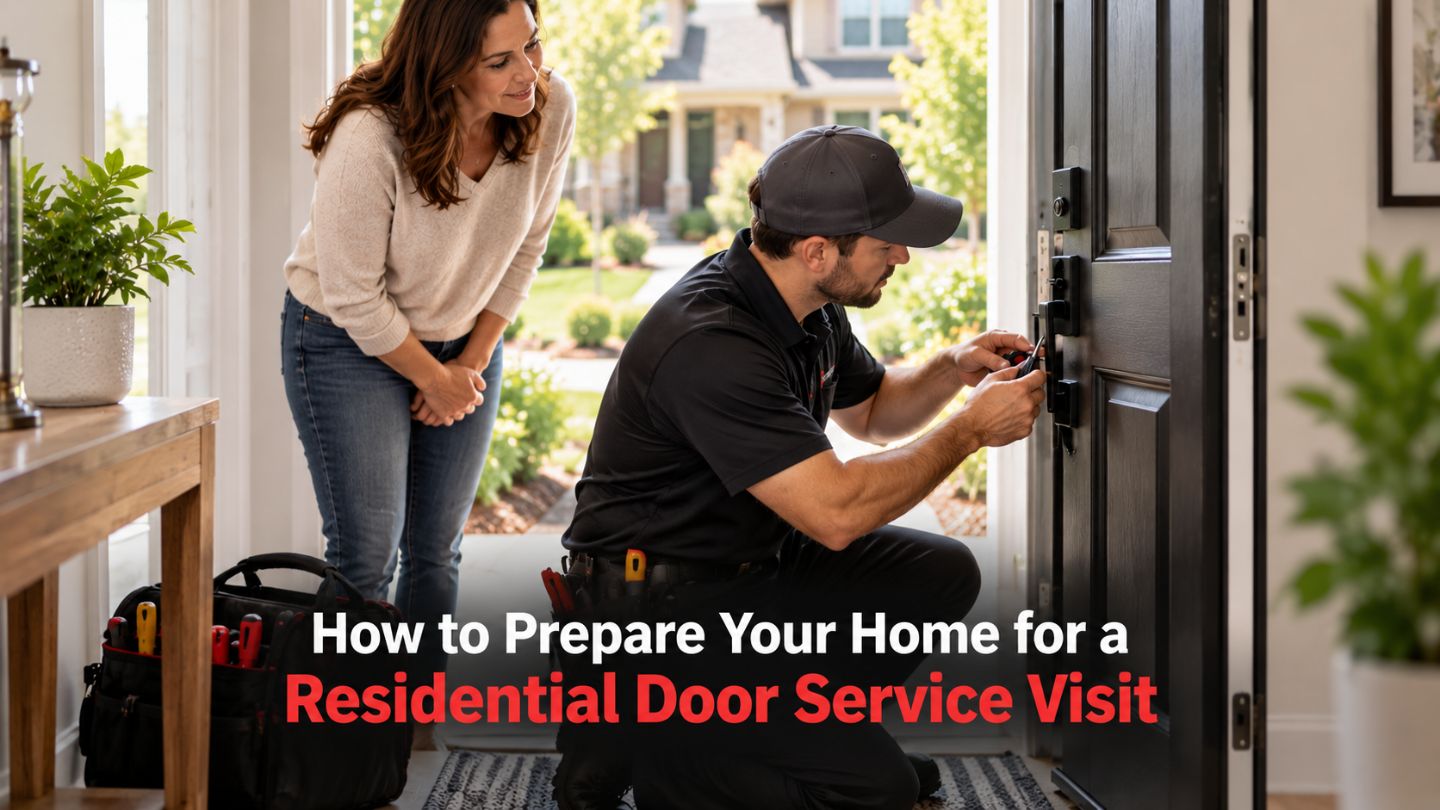
Proper preparation before a residential door service visit makes the difference between a quick, seamless appointment and one filled with delays, miscommunication, and avoidable complications. Whether you're scheduling a garage door repair, an entry door hardware replacement, or a patio door adjustment, the steps you take before the technician arrives directly affect the quality and speed of the work. Preparing for a door technician ensures the appointment goes quickly and safely.
In this blog, you'll learn how to clear your work area, gather the right documentation, ensure safety around your home, communicate effectively with your service team, and prepare for different types of door service - all so you get the best possible outcome from your appointment.
The single most impactful thing you can do before a service visit is to create ample space for the technician to work safely and efficiently. This means clearing the installation area of anything that could slow down or obstruct the process.
Start by removing vehicles from your driveway and garage. Clear vehicles and tools from the garage before the work begins. Move furniture, decorations, and personal items from around the door area - both inside and outside. Create a clear path by removing obstacles from the approach to the door, and move obstacles away from the interior and exterior of the door as well. Take down hanging items near the door to prevent accidental damage during the repair.
Provide adequate lighting near the work area for visibility. Turn on interior lights to ensure workspace visibility during repairs, and check that overhead lights are working if the service extends into the evening. Poor lighting hides defects and makes tasks more dangerous for the technician.
For garage door service specifically, clear a path of at least three feet around the door for technician access. Installation crews need clear access to the garage door opening, including the door tracks, side walls, and the area where the opener system is mounted. Trim bushes and trees that may obstruct the garage door's operation, and unlock gates or side doors for easy access during the service.
Having the right information ready before your appointment helps the technician arrive prepared with the right materials and avoid unnecessary delays. This step alone can make a noticeable difference in how smoothly the service goes.
Locate and record your door model numbers, manufacturer labels, and serial numbers. These are typically found on a sticker on the door panels, frame, or opener unit. Some manufacturers encode the door size, material, and manufacturing date into the serial number, which helps with ordering the correct replacement parts. If you're unsure about the specifics, note whether you have insulated doors, wood, steel, or aluminum construction.
Document any recent repairs, maintenance, or modifications made to the door. This includes when springs were last replaced, whether the automatic opener was serviced, or if you've made any DIY adjustments. Having this information prevents the technician from duplicating previous work or accidentally voiding a warranty.
Take photos of the door problem or damage from multiple angles - track alignment, hardware condition, bottom seal wear, and the door's balance when partially open. These accurate measurements and visual records help the team prepare before they even arrive. Prepare warranty documentation and previous service records if available.
Before the technician arrives, document specific problems with the door. Write down symptoms like unusual noises, sticking, or operational issues. Unusual noises can indicate potential issues with the door that need immediate attention.
Document unusual door behavior to help the technician diagnose issues more efficiently. Note when problems occur - does the door stick only during cold mornings? Does it reverse unexpectedly after rain? Document symptoms and operational changes of the door before service, and prepare a list of specific issues regarding the door's functionality.
Record any emergency repairs or temporary fixes you've already attempted. If you've tried lubricating parts, tightening bolts, or operating the door manually with the emergency release, let the technician know. When professional help is needed, homeowners can also consider the best garage door repair companies in Columbus, OH.
A door service visit involves tools, open doorways, and sometimes high-tension components that can cause serious injury if mishandled. Taking a few safety precautions protects your household and helps the technician work without concern.
Secure pets in a separate room during the door service visit. Door repairs may require keeping doors open for extended periods, and the noise from power tools and component adjustments can stress animals. Secure pets to avoid stress from loud noises and movement during repairs - a closed interior room well away from the work area is the safest option.
Notify family members about the scheduled service visit and define which areas to avoid. Make sure an authorized adult is home during the appointment to answer questions, provide access, and approve any additional work discovered during the visit. Have relevant identification ready in case the technician requests it.
Remove or secure valuable items near the door or service area, including electronics, artwork, and anything breakable. Consider using drop cloths to protect flooring or walls if heavy components need to be moved or leaned during the repair.
Ensure nearby electrical outlets are accessible for power tools. If you have a newer garage door system with smart features, disable smart locks temporarily to avoid interference during service. For homes with existing wiring near the door opener, confirm the circuits are functioning and accessible. Ensure the garage has accessible electrical outlets for new systems if an opener installation is planned.

Clear communication before and during your appointment prevents misunderstandings, ensures the technician brings the right parts, and keeps the project on schedule.
Confirm appointment details, including arrival time and expected duration. Most installations take several hours, depending on complexity, and even repairs can vary significantly based on the door type and the nature of the problem. Knowing what to expect helps you plan your day.
Share specific concerns about door performance or safety issues ahead of time. If you've documented symptoms and taken photos, send those to the service team before the visit. Include model and serial numbers so parts can be prepared in advance - this supports a much more efficient installation process.
Discuss any access restrictions or special instructions for your property. Does the technician need a gate code? Is parking limited? Are there steps or basement access required? For entry and patio door service, note whether interior furniture needs protection or if there are flooring concerns.
Ask about tools or equipment the technician will bring versus what you might need to provide. Clarify whether finish-matching hardware, paint, or specific materials are included or if you should have them ready. Discuss your preferences - if you want hardware that enhances curb appeal or matches existing finishes, mention it before the installation begins.
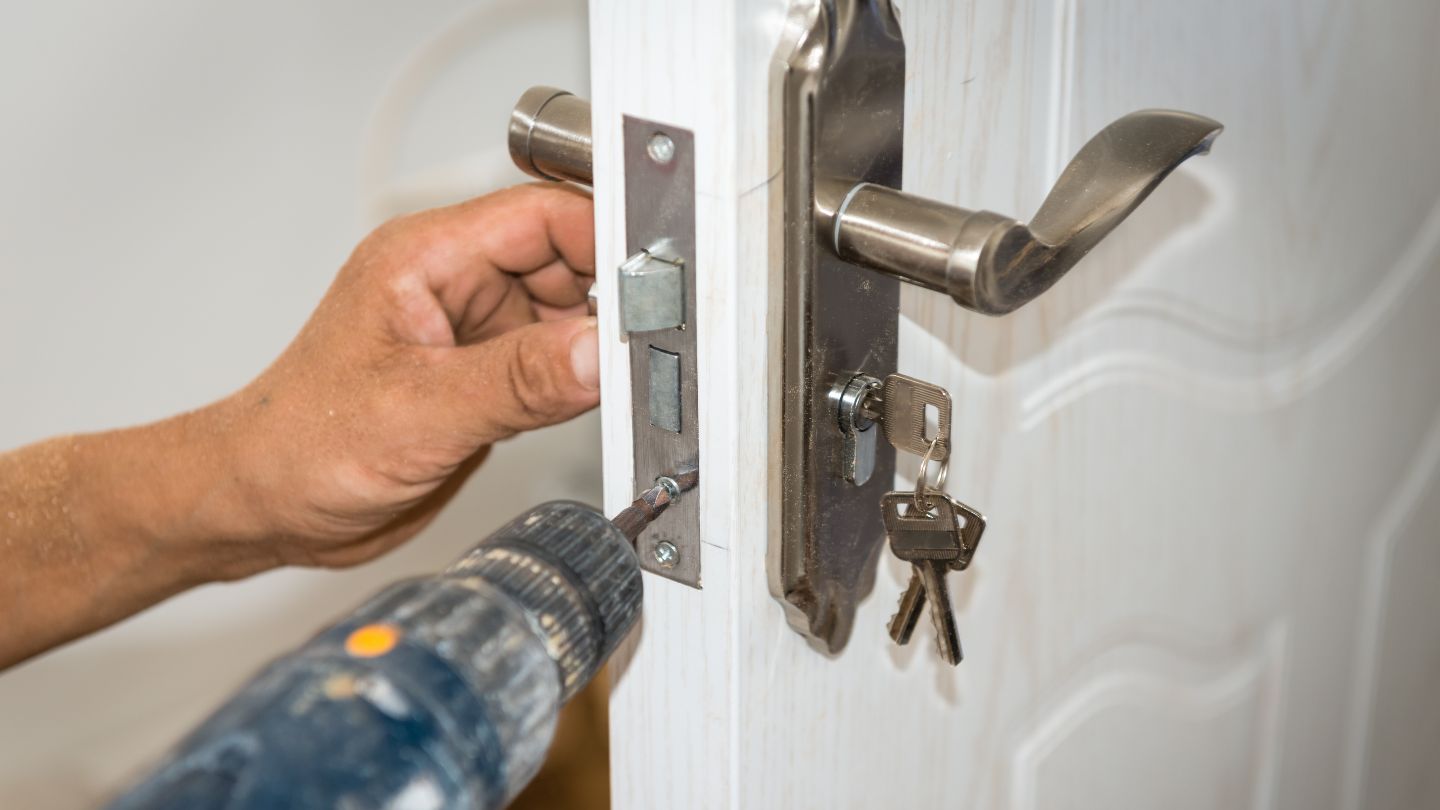
Different door types require different preparation. Understanding the specifics for your situation helps you provide the right conditions for a successful installation or repair.
Garage door spring repairs and track adjustments involve high-tension components that demand strict safety protocols. Never attempt DIY spring adjustments - these components can cause serious injury. This is one reason DIY garage door repairs can be a bad idea, particularly when high-tension components are involved. Clear the area above and beside the springs so the technician can safely access them. Make sure the door tracks are free of debris, and inspect the garage structure for any signs of wear or damage that might affect the repair. Modern garage doors include multiple safety systems not standard in older models, including auto-reverse systems that prevent accidents. Knowing about common garage door repairs can help homeowners understand potential issues before a service visit. Testing safety sensors is crucial before finalizing any garage door installation, and building codes mandate certain safety features for garage doors. Monthly visual inspections catch problems early, and testing the auto-reverse function regularly is essential for safety.
Entry door lock repairs and hardware replacements require a clear work area on both sides of the door. Identify the type of lock - deadbolt, mortise, electronic, or multi-point - and have all keys on hand. Remove potted plants, decorations, and doormats from the threshold area. Tamper-resistant locking mechanisms enhance your home's security, so discuss upgrade options with your technician.
Patio door track cleaning and weather seal replacements need space around the bottom track of sliding doors. Remove rugs, furniture, and anything stored along the track path. Have your frame measurements ready if known, and open the door so the technician can access seals and rollers. Insulated steel doors improve temperature control, and higher R-value materials deliver better energy efficiency for your living spaces.
A yearly garage door tune-up prevents costly repairs down the road. Lubricate moving parts regularly with silicone-based lubricant, and professional maintenance once a year keeps the door operating smoothly. Confirm all parts are delivered before installation day, and homeowners should be present for the final walkthrough to verify smooth operation and review any maintenance tips.
Preparing your home before a residential door service visit can help technicians work safely, efficiently, and without unnecessary delays. Clearing the work area, securing pets, providing easy access, and noting any door-related concerns beforehand can make the appointment more productive and help ensure that repairs, maintenance, or installation work proceeds smoothly.
Columbus Door Sales provides dependable solutions for homeowners who need professional garage doors in Columbus, backed by decades of experience serving local properties. We offer residential service and repair, garage doors, openers, and accessories for garage doors, and entry and patio doors to address a variety of household needs. Contact us today to schedule service, request an estimate, or discuss the right door solution for your home.
Yes, it's strongly recommended. Make sure an authorized adult is home during the appointment to answer any questions, provide access to different areas, and approve additional work if the technician discovers unexpected issues. Being present for the final walkthrough also ensures you understand how your new system or repaired door operates.
Avoid attempting repairs on high-tension components like springs or cables. You can safely operate the door manually using the emergency release handle if needed. Document the symptoms and any changes since you booked the appointment, and call your garage door company to update them - they may be able to adjust their parts list or timeline.
The duration depends on the type and complexity of the service. Simple repairs or safety checks may wrap up in under an hour, while garage door installation or opener replacement can take several hours. Confirm the expected duration when you schedule so you can plan accordingly.
In most cases, the technician brings all necessary tools and equipment. However, if you need specific finish-matching hardware, paint for a wood door, or specialty items, ask ahead of time. Ensure the garage has an accessible electrical outlet for power tools and any new system installation.
This is common - minor issues like worn weather seals, misaligned door tracks, or aging remote controls often surface during a thorough inspection. A reputable service team will explain the findings, provide options, and give you an estimate before proceeding with any additional work.
Focus on safety first - secure pets, clear the immediate area around the door, and ensure good lighting. Gather whatever information you can about the door model and the nature of the problem. Even in an emergency, removing obstacles and ensuring clear access helps the technician resolve the issue faster and more safely.
.jpg)


