Garage doors play a larger role in home comfort and efficiency than many homeowners realize. Temperature changes, outside noise, and energy loss often pass through an uninsulated door without notice. Adding insulation can impact how your garage and nearby living spaces feel year-round. Understanding these effects helps you decide if an upgrade makes sense. In this blog, we’ll break down the benefits of garage door insulation and what to consider before making a decision.
Key Takeaways
- Garage door insulation is typically most worthwhile for attached garages, homes in extreme climates, and garages used as workshops or living spaces, where comfort and energy efficiency matter most.
- Insulated doors can keep garages roughly 10–15°F warmer in winter and 15–25°F cooler in summer compared to uninsulated doors, making a noticeable difference in daily comfort.
- Upgrading shared walls, ceilings, and air sealing often delivers more impact than insulating the door alone, especially in mild climates or rarely used garages.
- Typical cost ranges include DIY insulation kits at around $80–$200 and new insulated doors from approximately $900–$3,000+ installed as of 2024.
- Your decision should factor in climate severity, garage use, and budget; this guide will help you weigh retrofitting your current door against investing in a new insulated door.
Is Garage Door Insulation Really Worth It?
Many homeowners in Columbus and Central Ohio ask whether adding insulation to their garage door is truly worth the cost. The straightforward answer is yes—garage door insulation is often a smart upgrade for homes with attached garages, especially because Ohio experiences hot, humid summers and cold, windy winters.
Since your garage door is one of the largest exterior surfaces on your home, it can be a major source of heat transfer. In many cases, the garage door makes up 30–40% of the garage’s exterior wall space, which means an uninsulated door can allow uncomfortable temperatures to build up quickly and impact nearby rooms.
However, the value of insulation depends on how you use your garage. For example, attached garages in areas like Dublin, New Albany, and Columbus often benefit the most because temperature swings can affect bonus rooms, bedrooms above the garage, or interior walls shared with living spaces.
On the other hand, if your garage is detached and used mostly for storage or parking, insulation may offer fewer noticeable benefits—especially if you’re not spending much time in the space or trying to maintain comfort year-round.
Here’s when insulation makes the most sense:
- Attached garages where temperature swings directly affect adjacent living spaces, bedrooms, or bonus rooms above the garage
- Extreme temperatures in your region, whether bitter winters or scorching summers
- Regular garage use as a workshop, home gym, or hobby space where you spend significant time
- Rooms adjacent to the garage that experience cold floors, drafts, or uncomfortable temperature fluctuations
- Heating or cooling equipment in the garage that you want to run more efficiently
- A quick “worth it” checklist: climate severity + attached vs. detached + time spent in garage + presence of garage HVAC + available budget
Keep in mind that if you open your garage door multiple times per hour, potential savings decrease since conditioned air escapes quickly. However, insulation still provides substantial benefits during the many hours the door remains closed.
How Garage Door Insulation Works
Understanding the basic science behind door insulation helps you make an informed decision about your investment. At its core, insulation slows heat transfer through the large metal or wood surface of your garage door, making temperatures inside the garage less extreme compared to outside conditions. Understanding things to keep in mind when choosing garage doors becomes especially important when comparing insulated construction types, materials, and long-term thermal performance.
Here’s how it functions:
- Heat transfer reduction: Insulation materials trap air pockets that resist heat flow through conduction, convection, and radiation; the three ways temperature moves between spaces
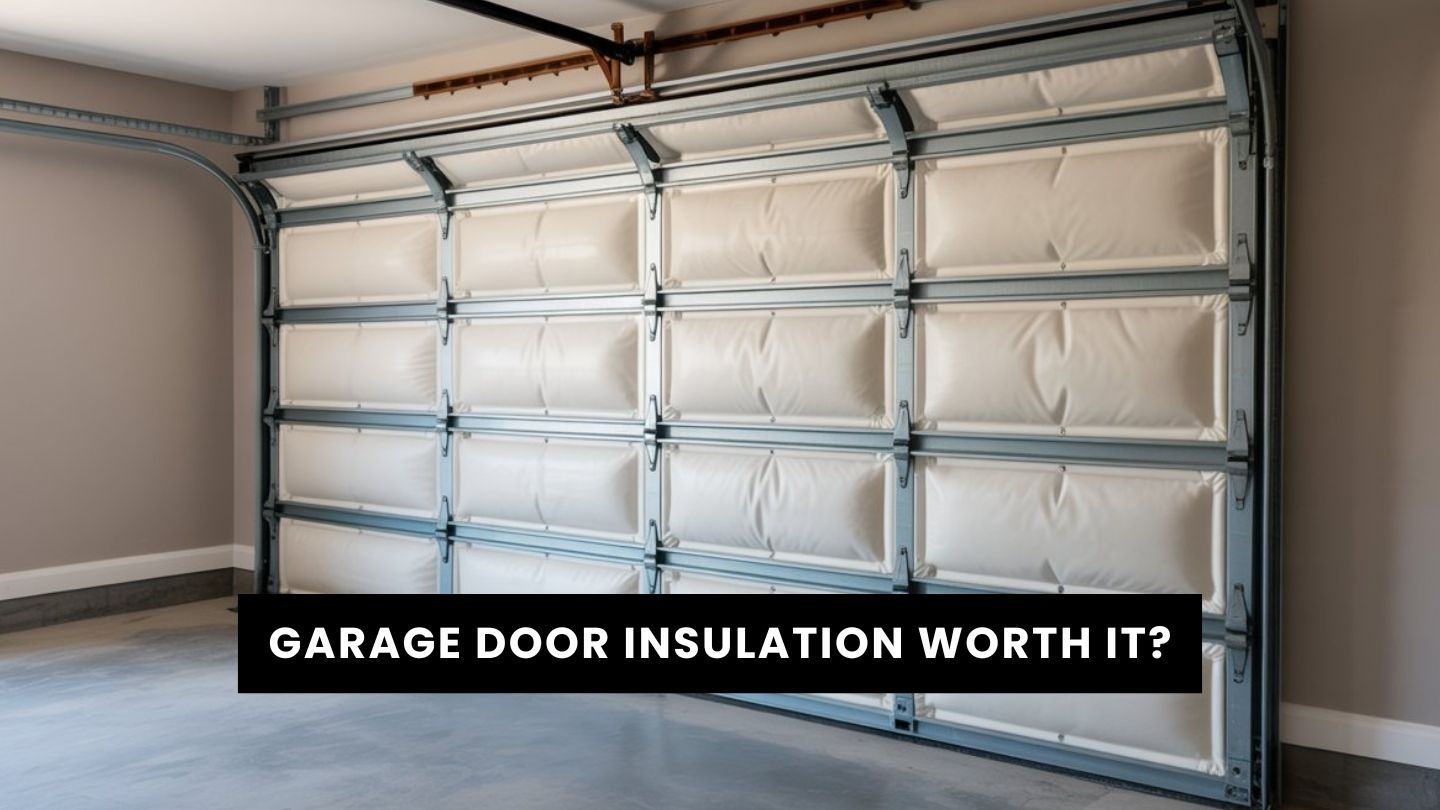
- Construction types matter: Single-layer doors (uninsulated steel) offer minimal thermal resistance; double-layer doors (steel + insulation) provide moderate protection; triple-layer doors (steel + insulation + interior skin) deliver the best thermal performance and rigidity
- R-value explained: This measures resistance to heat flow, with higher numbers indicating better insulating performance. Most residential insulated doors fall between R-6 and R-18 for the complete door assembly
- U-value perspective: This represents overall heat transfer (the inverse of R-value), where lower numbers mean better performance; useful when comparing to building code requirements
- Real-world gaps matter: Gaps around the door, floor, and windows can undermine insulation benefits, which is why weatherstripping and air sealing are essential companions to an insulated door
- Sound-dampening bonus: Beyond temperature control, insulation absorbs vibration and sound, making insulated doors noticeably quieter and more solid-feeling during operation
Key Benefits of an Insulated Garage Door
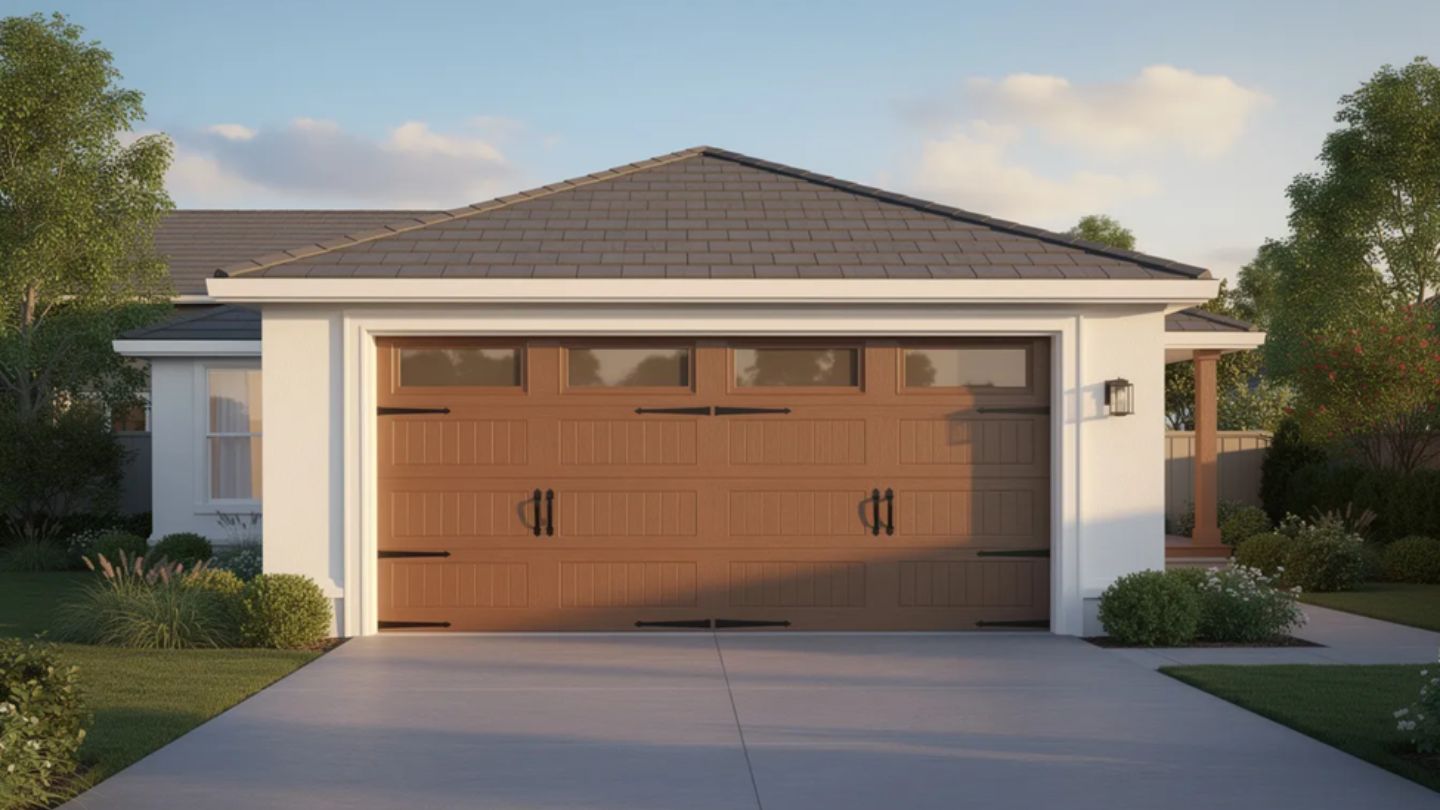
An insulated garage door delivers several benefits beyond just energy savings; from temperature control and noise reduction to improved durability and security. The relative importance of each benefit depends heavily on how you use your garage space, whether it serves as a workshop, home gym, storage for temperature-sensitive items, or simply vehicle parking.
Consider a homeowner in Columbus who uses their attached garage as a woodworking shop. Before insulating, winter drafts made the space nearly unusable during January and February. After installing an insulated door combined with basic weatherstripping, they noticed consistent temperatures, reduced drafts, and the ability to work comfortably year-round with just a portable heater.
Temperature Control
Insulated garage doors excel at moderating temperature swings throughout the seasons, creating a more stable environment for everything stored or happening inside your garage.
- Winter warmth: An insulated door can keep your garage around 10–14°F warmer during cold months compared to an uninsulated door, assuming your walls and ceiling have basic insulation
- Summer cooling: During hot weather, expect the garage to stay 20–25°F cooler than it would with a non-insulated garage door, reducing that oven-like heat buildup
- Protection for stored items: Improved temperature control is especially valuable for paint (which performs best at 50-80°F), tools, canned goods, and seasonal decorations that can be damaged by freezing or extreme heat
- Adjacent room comfort: Better garage temperatures reduce cold floors and drafts in rooms above or next to the garage; a significant quality-of-life improvement for bedrooms or bonus rooms
- Concrete example: In Minneapolis during January, an uninsulated attached garage might hover around 20°F when outdoor temperatures hit 0°F. That same garage with a well-insulated garage door could maintain 32–35°F, preventing frozen pipes, easier car starts, and less cold air infiltrating the house.
Noise Reduction
If you live in a noisy neighborhood or near busy roads, an insulated garage door can make a big difference in reducing noise pollution that enters your home.
- Sound blocking: Additional layers and foam cores in insulated doors help block and absorb sound from traffic, lawn equipment, and neighborhood activity; typically providing 10–15 dB of noise reduction
- Higher ratings correlate with quieter doors: Multi-layer door designs with higher R values generally correlate with better STC (Sound Transmission Class) ratings, meaning superior noise reduction even when exact STC numbers aren’t advertised
- Quieter operation: Insulated doors rattle less and transmit less vibration into your home structure, which neighbors and sleeping family members appreciate
- Real-world applications: Homes near busy roads, schools, or in dense suburbs benefit most from reduced outside noise in attached garages and adjacent living spaces; reducing noise becomes especially valuable for home offices or bedrooms sharing walls with the garage
Durability, Security, and Home Value
Beyond temperature and sound, insulated doors offer practical advantages in strength, security, and curb appeal that add long-term value to your property. Visual appeal plays a role in resale value, and how different garage doors add curb appeal to your home shows that insulated designs can enhance both appearance and performance.
- Dent resistance: Double- and triple-layer insulated steel doors are significantly more rigid and resistant to dents than single-layer metal doors. Studies show they withstand impacts 2–3 times better due to the supportive foam core
- Enhanced security: The extra weight and construction layers make forced entry more difficult, contributing to improved security when combined with quality locks and a reliable garage door opener
- Curb appeal boost: An insulated door with an attractive design and windows enhances your home’s exterior appearance, supporting faster home sales and neighborhood aesthetics
- Visual comparison: Contrast a basic uninsulated steel panel door from the early 2000s with a modern insulated carriage-style or contemporary steel door; the difference in appearance and perceived quality is immediately apparent
Comfort and Usability of the Garage
Insulating a garage door transforms the space from a seasonal storage area into a year-round functional room, effectively expanding your home’s usable square footage. Maintaining usability also involves knowing what to do if your garage door is crooked, since misalignment can reduce insulation efficiency and cause uneven air leakage.
- Multi-purpose space: More stable temperatures and less noise make garages pleasant for workshops, home gyms, hobby spaces, kids’ play areas, or small home offices
- Efficient heating and cooling: For homeowners running ductless mini-splits or electric heaters in the garage, insulation makes it much easier and cheaper to maintain a comfortable temperature inside, reducing operating costs significantly
- Year-round access: Improved comfort encourages regular use of the garage regardless of season, essentially adding functional space without a costly room addition
- Quality of life: Family members appreciate quieter mornings when someone leaves early for work, and temperature fluctuations no longer affect stored holiday decorations or sporting equipment
When Is Garage Door Insulation Most Worth It?
The question of whether insulating your garage door delivers sufficient value depends on a combination of factors, not insulation alone. Your specific situation determines whether this upgrade makes practical and financial sense. Long-term performance is supported by professional garage door inspections for longevity, ensuring insulated doors maintain proper alignment, sealing, and efficient operation over time.
Attached vs. Detached Garages
The connection between your garage and living space significantly affects insulation value.
|
Garage Type
|
Primary Benefits
|
Insulation Priority
|
|
Attached
|
Energy savings, home comfort, HVAC efficiency
|
High
|
|
Detached (storage only)
|
Content protection, temperature moderation
|
Moderate
|
|
Detached (workshop/studio)
|
Workspace comfort, heating efficiency
|
High
|
- Attached garages: These share at least one wall, ceiling, or floor with conditioned living space, so their temperature directly affects home comfort and energy costs. An insulated door plus insulated walls, ceilings, and good air sealing around the house-garage door is typically recommended
- Detached for storage: Main benefits include protecting contents, moderating extreme temperatures for vehicles, and occasional comfort during brief visits; the ROI calculation is less compelling
- Detached with active use: If your detached garage doubles as a workshop or studio with its own heater or mini-split, insulation remains very worthwhile for reducing operating costs and maintaining comfort
Climate and Local Weather
Your regional climate conditions heavily influence whether insulation delivers meaningful returns. Seasonal performance highlights the effects of cold weather on garage door openers, since insulation and reliable opener operation work together to maintain consistent garage temperatures.
- Central Ohio winters (Columbus and surrounding suburbs): : Insulated garage doors help reduce cold drafts and limit temperature drops during freezing weather. This is especially helpful for attached garages, where winter chill can affect rooms above the garage or shared interior walls.
- Hot, humid Ohio summers:: Insulation slows down heat buildup inside the garage on sunny summer days, helping prevent the space from becoming overheated. This protects stored items, makes garages more comfortable for workshops or gyms, and can reduce heat transfer into nearby living areas.
- Freeze-thaw and wind exposure: In Columbus-area neighborhoods, fluctuating temperatures and strong seasonal winds can make garages feel even colder or draftier. A properly insulated garage door—paired with good weatherstripping—helps stabilize conditions through frequent temperature swings.
- Local rebates and efficiency opportunities: Homeowners may want to check for local utility efficiency programs or seasonal promotions on insulated garage doors. While incentives vary, choosing an insulated upgrade can improve comfort, reduce energy loss, and add long-term value in the Columbus market.
How You Use the Garage
Your garage usage patterns may be the most important factor in determining insulation value.
- Active workspace: Insulation is clearly worth insulating when you regularly use the garage as a workshop, home gym, craft area, or part-time living space, especially with dedicated heating or cooling
- Storage-only use: If the garage mainly stores vehicles and boxes with minimal human occupancy, prioritize insulating shared walls and ceilings first before the door
- Early departures: Households where someone leaves for work early and returns late appreciate quieter, insulated doors that reduce disturbance to sleeping family members
- Self-assessment questions: How many hours do you spend in the garage weekly? Do you store temperature-sensitive items like electronics, paints, or seasonal décor? Have family members complained about noise or drafts from the garage?
Alternatives and Complements to Garage Door Insulation
Garage door insulation is just one component of improving overall garage comfort and efficiency. Addressing walls, ceilings, air leaks, and weatherstripping sometimes yields bigger improvements than focusing solely on the door, especially when budgets are limited. Recognizing why DIY garage door repairs are a bad idea matters when dealing with insulated doors, as improper adjustments can damage panels, compromise seals, and reduce insulation effectiveness.
For best results, consider a whole-garage approach, prioritizing the easiest and highest-impact upgrades first based on your specific situation.
Air Sealing and Weatherstripping
Gaps around your garage door can undermine even the best insulation, making air leakage control essential.
- Common problem areas: Gaps around the garage door perimeter, side jambs, top header, and bottom seal often allow significant drafts and temperature exchange
- Practical fixes: Replace worn bottom seals, add side and top weatherstripping, seal around windows with caulk, and install a tight-fitting door threshold where needed
- DIY-friendly: Most homeowners complete basic weatherstripping in a weekend with inexpensive materials ($20–$75), seeing immediate comfort improvements
- House-garage door priority: Sealing the interior door between the garage and house, including frame and threshold, is critical for indoor air quality and preventing fumes or cold air from entering living spaces
- Immediate results: Proper sealing often delivers noticeable comfort gains before you even address insulation
Insulating Garage Walls, Ceilings, and Floors
The door isn’t your only thermal weak point, and often isn’t the largest source of heat loss or gain.
- Other surfaces matter: Concrete slab floors and uninsulated exterior walls can account for substantial energy loss, sometimes exceeding the door’s contribution, depending on layout
- Common upgrades: Add fiberglass batts or blown-in insulation to stud walls and ceilings; apply rigid foam insulation board on foundation walls; insulate rooms above the garage
- Shared wall priority: In many attached garages, insulating the wall shared with the house yields the most direct benefit for indoor comfort and energy bills
- Code compliance: If planning larger projects like garage-to-living-space conversions, follow local building codes for insulation levels, fire safety, and vapor control
Ventilation and Moisture Control
While insulation reduces temperature swings, garages still need adequate ventilation to remain healthy and functional.
- Ventilation necessity: Garages require air exchange to manage humidity, vehicle exhaust fumes, and off-gassing from stored paints, chemicals, and other materials
- Options available: Consider passive vents, exhaust fans, or simply opening the garage door periodically, especially after running vehicles inside
- Cold climate considerations: Proper moisture control prevents condensation on cold metal surfaces, which can lead to rust on tools, mold growth, and material degradation if ignored
Insulation That Adds Real Value
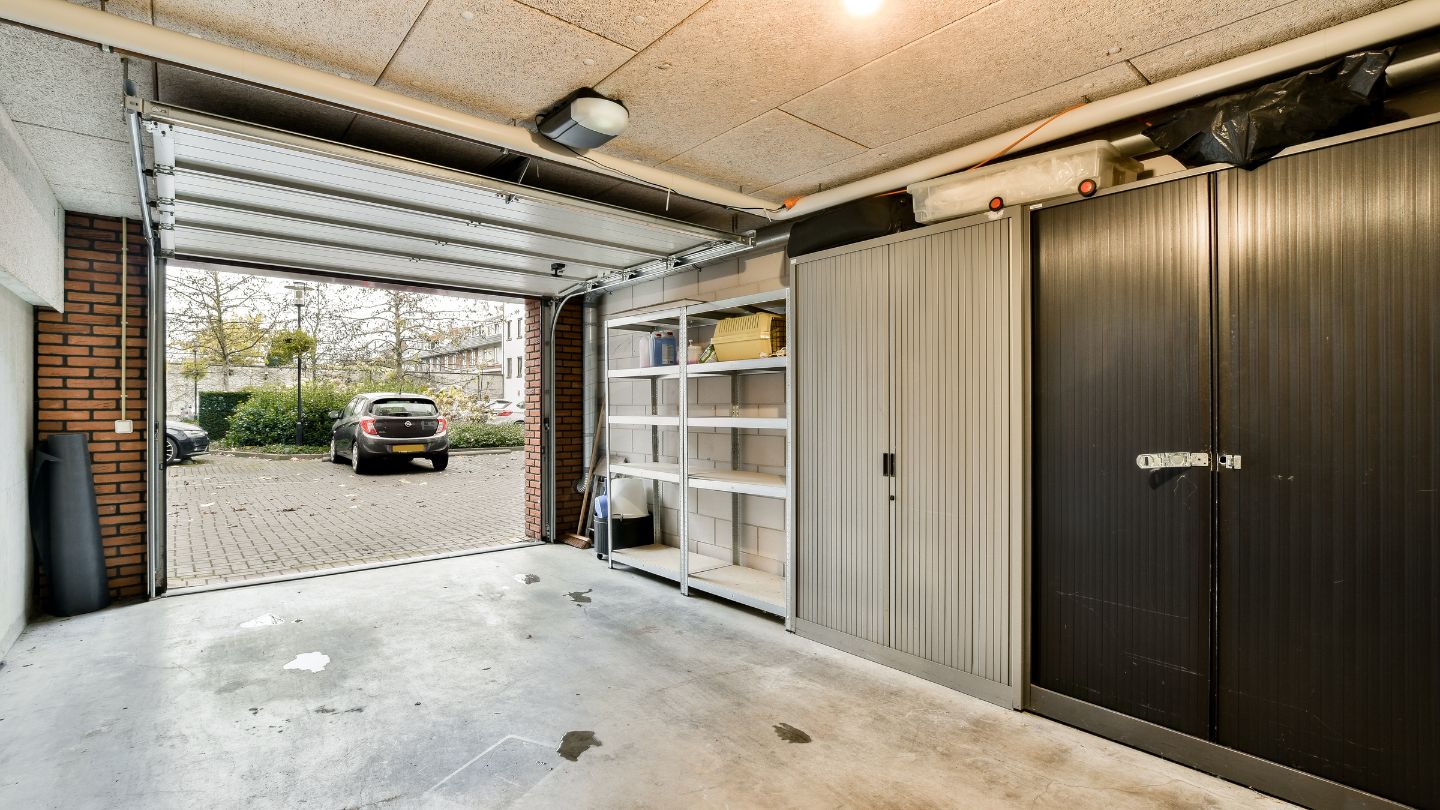
Garage door insulation can improve temperature control, reduce outside noise, and help protect items stored in the garage. For homes with attached garages or frequent use, insulation adds comfort and efficiency while supporting long-term door performance. The value comes from improved usability, not just energy savings.
When you’re ready to explore upgrades, Columbus Door Sales provides dependable solutions backed by experience and attention to detail. We help homeowners make smart decisions through professional guidance and reliable garage door maintenance in Dublin, focused on performance, durability, and long-term results. From openers and accessories for garage doors to service and repair, we deliver complete solutions tailored to your home. We also provide reliable garage door service in New Albany, Dublin, Columbus, and Arlington to keep your system operating safely, smoothly, and efficiently year-round. Take the next step with us and invest in a garage door system that works better, lasts longer, and adds everyday comfort to your home.
Frequently Asked Questions
Do insulated garage doors qualify for tax credits or utility rebates?
While federal energy tax credits typically focus on doors and windows entering directly conditioned living space, some local utilities periodically offer incentives for high-efficiency garage doors, particularly in regions with extreme climates. Check current programs through your state energy office or local utility company, as these programs change frequently.
Can insulating my garage door cause the garage to get too warm or trap vehicle fumes?
Insulation moderates temperature extremes rather than overheating the space; it keeps heat out in summer and retains warmth in winter. However, proper ventilation remains essential. Never run a vehicle in a closed garage, and ensure adequate air exchange through passive vents or periodic door opening to prevent fume accumulation.
How long do insulated garage doors typically last compared to uninsulated doors?
Quality insulated doors are designed to last 15–30 years with proper maintenance, often outlasting older single-layer doors. The foam core provides structural support that reduces panel warping from thermal expansion cycles, while added rigidity means less stress on springs and other components, potentially reducing the need for more frequent repairs over time.
Should I install a garage door insulation kit myself or hire a professional?
Handy homeowners can successfully install basic insulation kits in a few hours with common tools. However, replacing a full door or adjusting springs and openers to accommodate added weight should always be done by trained technicians. Improperly balanced doors pose serious safety hazards and can cause premature wear on mechanical components.
Is it worth insulating an older wooden garage door?
While technically possible, you should first assess the door’s structural condition and safety features. Older wooden doors often lack the balance systems and safety sensors required by current codes. In many cases, replacement with a modern insulated door, which includes updated safety features and better performance, represents a wiser long-term investment than retrofitting aging equipment.

.jpg)


