
Contact Columbus Door Sales Today!
Thank you! Your submission has been received!
Oops! Something went wrong while submitting the form.

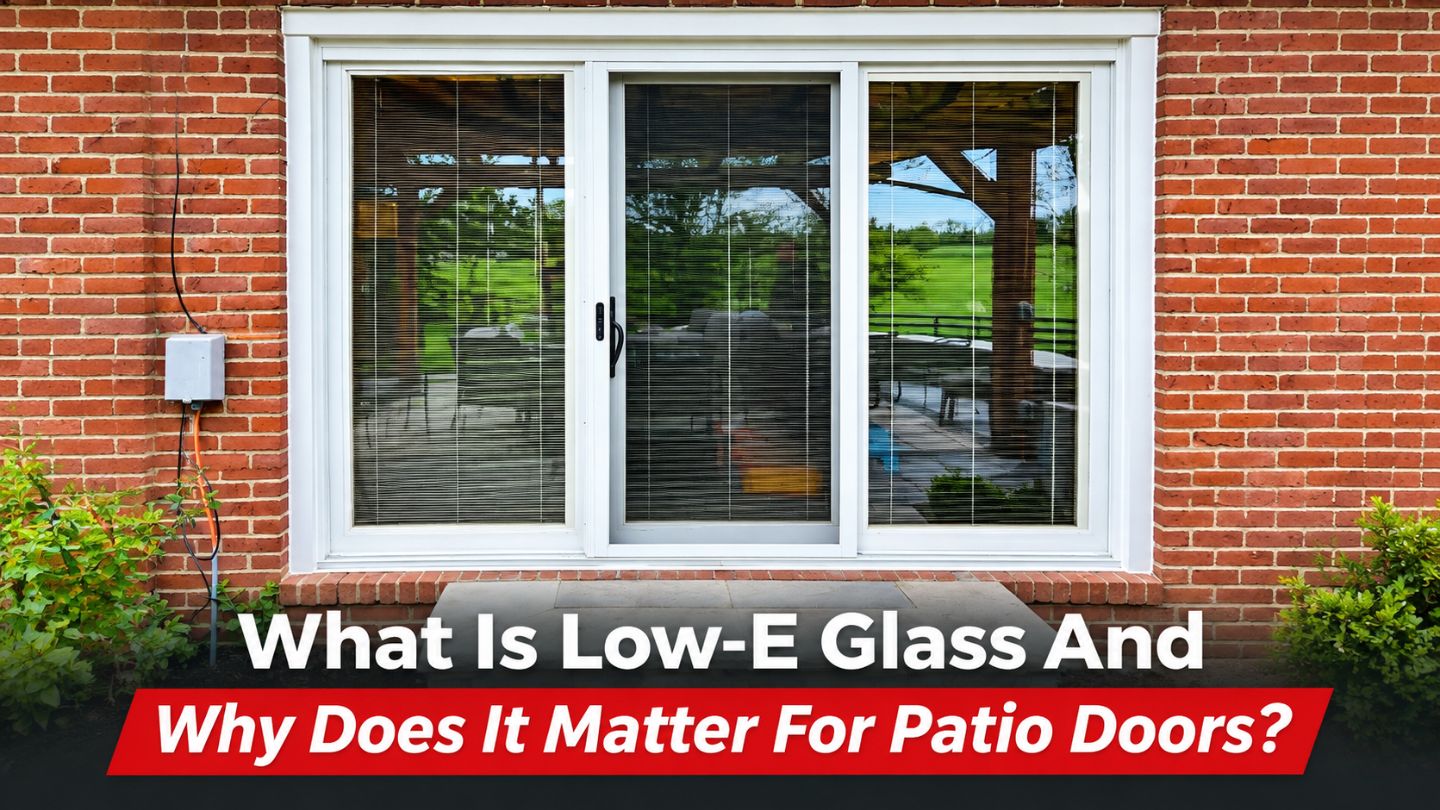
Picture a sunlit family room with a wide patio door framing your backyard view. The light is gorgeous-but by mid-afternoon, the space near the glass feels like a furnace in summer and radiates cold air in winter. The culprit isn't the door itself; it's the glass. Low-E glass is a simple but powerful solution: a microscopically thin metallic coating applied to the glass surface that manages how much heat and light pass through your patio doors. Understanding what low-E glass is and why it matters for patio doors helps you make a smarter choice the next time you upgrade your home's exterior.
This blog covers what low-emissivity glass actually is, how it works specifically on patio doors, what everyday comfort benefits it delivers, what features to look for, and how to choose the right glass option with the help of a professional door specialist.
Here are the core ideas to keep in mind as you read:
Low-E glass-short for low emissivity glass-is standard glass with a thin metallic coating applied to its surface. This coating is so fine that it's virtually invisible, yet it plays a major role in controlling how heat and light move through the glass. Unlike regular glass or clear glass, which freely transmits both visible light and radiant heat, low-E glass selectively reflects certain wavelengths of energy while still allowing natural daylight to pass through.
Low-E coatings reduce radiant heat transfer while allowing daylight in, making them commonly incorporated in modern windows and patio doors. When built into an insulated glass unit-where two panes of glass are sealed together with a gap between them-the coating works within that sealed environment to manage incoming solar energy and indoor heat loss far more effectively than a single pane of uncoated glass ever could.
A few key terms help make sense of how low-E glass works:
On a patio door, the low-E coating acts as a selective filter between the outdoors and your living space. It separates the visible light you want from the infrared radiation-the sun's heat-that makes rooms uncomfortable.
In warmer months, the coating helps reflect solar heat away from the interior, reducing unwanted solar heat gain before it raises the temperature near the glass. In colder months, the same technology works in reverse: it reflects indoor heat back into the room, helping reduce heat loss through those large glass panels. The result is a patio door that moderates temperature swings across the day rather than amplifying them. When choosing patio doors for your home, considering glass efficiency, frame materials, and sun exposure helps ensure the selected design provides lasting comfort and energy performance.
Consider a west-facing patio door that catches intense afternoon direct sunlight. Without low-E glass, that wall of glass channels the sun's heat straight into the room, forcing your cooling system to work harder. With a properly selected low-E coating, much of that unwanted heat gain is reflected before it enters, keeping the room more comfortable without blocking the view or darkening the space.

Patio doors present a unique challenge compared to a typical window or entry door: they feature more glass surface area. A multi-panel sliding door or a full-lite French door can expose an entire wall to solar energy entering the home. That means the thermal performance of the glass has an outsized effect on comfort, energy costs, and how usable the space near the door actually feels.
Low-E glass supports a more comfortable living space in areas like kitchens, family rooms, and sunrooms that open to a patio. Without it, those rooms can swing between uncomfortably warm on sunny afternoons and noticeably chilly on cold evenings. Poor insulation, noticeable drafts, and difficulty maintaining comfortable indoor temperatures can also be signs it's time to replace your patio door, particularly when older glass panels no longer provide adequate thermal performance. Modern patio doors with low-E glass work as part of the overall exterior door system-including frames, seals, and hardware-to support the home's energy efficiency and year-round comfort. When you're choosing the perfect patio doors for your home, the glass package deserves just as much attention as the style or material.
When evaluating glass options for a new patio door, it helps to understand that the low-E coating is one important part of a larger insulated glass unit. That unit also includes multiple panes of glass, possible inert gas fills like argon gas between those panes, warm-edge spacers, and perimeter seals. Each component contributes to the door's overall insulating performance. A comprehensive patio door buying guide can help homeowners compare glass packages, frame materials, insulation features, and door configurations before selecting a replacement.
At a high level, low-E coatings fall into two categories. Passive low-E coatings are hard-coat types, produced through a pyrolytic process during glass manufacturing. Hard-coat low-E allows some solar heat to pass and is suited for colder climates where you want to capture passive solar gain during winter. Solar control low-E coatings are soft-coat types, applied in a vacuum chamber after the glass is formed. Soft-coat low-E has superior solar-blocking properties and is ideal for warmer climates or sun-drenched exposures where reducing unwanted solar heat is the priority. Hard-coat low-E coatings are more durable than soft-coat, but soft-coat low-E coatings provide superior solar control. Different low-E coatings are designed for specific climates and sun exposures, so the right choice depends on your home.
Patios and decks often connect to high-traffic rooms filled with valuable finishes-hardwood floors, area rugs, upholstered furniture, artwork, and cabinetry. These are exactly the items most vulnerable to UV exposure over time. Low-E coatings block up to 95% of harmful UV rays, which are a primary driver of fading and discoloration. The result is that your interiors retain their color and character far longer, even in rooms flooded with natural daylight.
Low-E glass protects furnishings from fading caused by sunlight exposure without forcing you to choose between a bright room and preserved décor. It allows natural light while reducing heat transfer-a combination that regular glass simply cannot offer.
One of the most practical benefits of low-E glass is that it reduces the need to keep blinds or curtains drawn all day. Homeowners can enjoy the view through their patio door and the warmth of natural daylight without worrying that the incoming solar energy is slowly bleaching their floors or overheating the room. Well-designed patio doors enhance indoor and outdoor living by creating a brighter, more comfortable connection between interior spaces and patios, decks, or gardens.
A well-chosen low-E glass option lets you control the balance-bright and airy when you want it, without the hidden cost of UV damage or excessive solar heat gain. During a consultation, it's worth discussing with your door specialist how bright or shaded you want the room to feel throughout the day so the glass package supports your lifestyle. If you're weighing different patio door styles, the glass type plays just as big a role in everyday satisfaction as the door's design.
Patio doors are heavy, complex systems that perform best when specified and installed by trained technicians. The glass unit alone involves precision-sealed components that must be handled carefully to maintain their insulating performance over the life of the door. Low-E glass improves overall building energy efficiency, but only when it's part of a properly installed, well-sealed system.
A local door specialist can evaluate your home's layout, listen to your goals, and recommend an appropriate low-E glass and door style. They'll consider factors like orientation, existing shade, room function, and the specific comfort issues you want to solve. Professional installation also supports long-term smooth operation, proper sealing, and reliable glass performance-so the door continues to deliver energy savings and comfort for years to come.

Low-E glass plays an important role in improving patio door energy efficiency, indoor comfort, and protection against UV exposure. By reducing unwanted heat transfer while allowing natural light inside, it helps maintain comfortable indoor temperatures throughout the year. Choosing patio doors with Low-E glass supports better insulation and long-term performance.
At Columbus Door Sales, we offer quality patio doors in Worthington designed to improve comfort, functionality, and energy efficiency. Our team provides entry and patio door solutions in Dublin, Powell, and surrounding communities, helping homeowners choose suitable options for their properties. Contact us today to discuss your door installation or replacement needs.
Low-E glass is standard glass with a thin metallic coating applied to its surface that manages how heat and light pass through. The coating is permanent and factory-sealed within the insulated glass unit-it's not a removable film. It reflects radiant heat while still letting visible light into your room, making it an energy-efficient upgrade over clear glass.
Modern low-E coatings are engineered to maintain high visible light transmittance, so your room stays bright and welcoming. There may be a very subtle shift in color or reflectivity depending on the coating type, but it's typically unnoticeable in everyday use. Viewing samples in a showroom is the best way to see how the glass looks in real light.
Yes. Low-E glass can reduce glare from direct sunlight, which is especially helpful in rooms that face strong afternoon sun. If you have screens for TVs or computers in the space, mentioning that to your door specialist helps them tailor the glass recommendation for optimal solar control and comfort.
Absolutely. Blinds and curtains help when they're closed, but low-E glass works continuously-even when window treatments are fully open. It reduces heat transfer and filters UV rays all day without blocking your view. Combining low-E glass with appropriate coverings gives you maximum flexibility to enjoy both the scenery and a comfortable room.
Start by considering how the room feels through different seasons, where the sun hits your patio door, and how you use the space. Since low-E coatings can vary in solar performance characteristics, the best approach is to discuss your specific situation with a patio door professional.


