
Contact Columbus Door Sales Today!
Thank you! Your submission has been received!
Oops! Something went wrong while submitting the form.
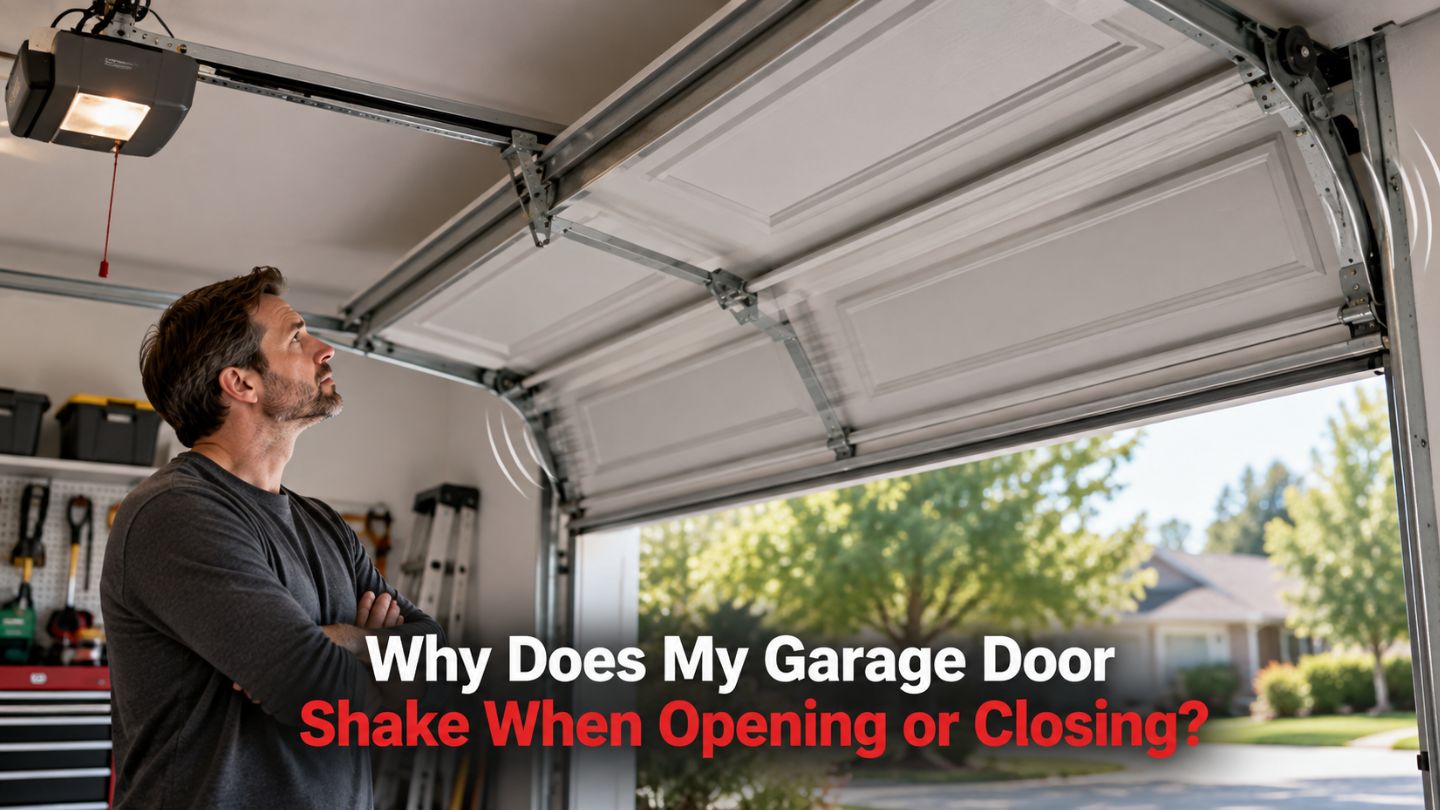
A garage door that shakes, shudders, or jerks during operation is telling you something - and it's rarely good news. Whether it's a subtle vibration you can feel through the ceiling or a visible jolt that rattles the entire frame, garage door shaking when opening or closing is one of the most common complaints Central Ohio homeowners bring to us. The good news is that most causes are identifiable, and many are fixable before they escalate into serious problems.
In this blog, we'll walk through the most common causes behind a shaking garage door, explain which fixes you can safely handle yourself, and outline when it's time to call the professional team for repair.
When your door shakes, or a garage door jerks when opening, the root cause is almost always mechanical: something in the system is binding, resisting, or releasing unevenly as the door moves. A shaking garage door indicates structural imbalance or loose hardware - and pinpointing the source starts with understanding the most frequent culprits.
Worn rollers can cause garage door shaking during operation. Rollers guide the door panels along the tracks, and when they develop flat spots or lose bearings, smooth movement breaks down. Instead of rolling cleanly, damaged rollers skip, bind, or hop - especially through curved track sections. Roller wear is one of the leading reasons a door moves unevenly, and it's often accompanied by loud noises or a grinding sound. Metal rollers tend to wear faster and run louder than nylon alternatives with sealed ball bearings.
Misaligned tracks lead to jerky garage door movement. Your garage door tracks must remain straight, parallel, and firmly anchored. If a track is bent, kinked, or has shifted from its mounting brackets, the rollers catch and release as they travel, creating that characteristic jolt. Dirty tracks compound the problem: debris, rust, or grime inside the channel creates resistance that disrupts smooth operation. Damaged tracks can disrupt smooth garage door operation entirely, causing the door to bind at specific points. Proper alignment is essential for the door to travel without vibration.
Common causes of a shaking garage door include loose hardware and worn mechanical parts. Over time, loose bolts, loose screws, and other fasteners work themselves free from repeated vibration and seasonal temperature swings. This looseness allows play between door panels, between hinges and brackets, and between the track assembly and the garage structure. Loose screws or bolts can result in garage door vibrations that are felt throughout the entire system. Every cycle of opening and closing worsens the problem as worn components shift just enough to introduce shake.
Hinges connect your door panels and allow them to flex as the door curves along the track. When hinge pins wear, or mounting holes elongate, the connection between panels becomes sloppy. This allows the door to rattle and flex in ways it shouldn't, contributing to uneven movement and a visibly shaky door. If a dented panel is contributing to the problem, understanding whether it can be repaired or needs replacement can help you choose the right solution. Repairing a dented garage door may be a practical option when the damage has not affected the door's overall function.
If your door operates smoothly by hand but the door jerks when the opener motor engages, the problem likely sits with the drive system. A stretched chain, worn belt, failing drive gear, or loose connection along the opener rail can all introduce erratic motion. Poor installation of the opener - or mounting it to drywall instead of ceiling joists - can amplify vibrations through the structure. When the garage door opener struggles against friction or an unbalanced door, the result is lurching rather than the smooth operation you expect.
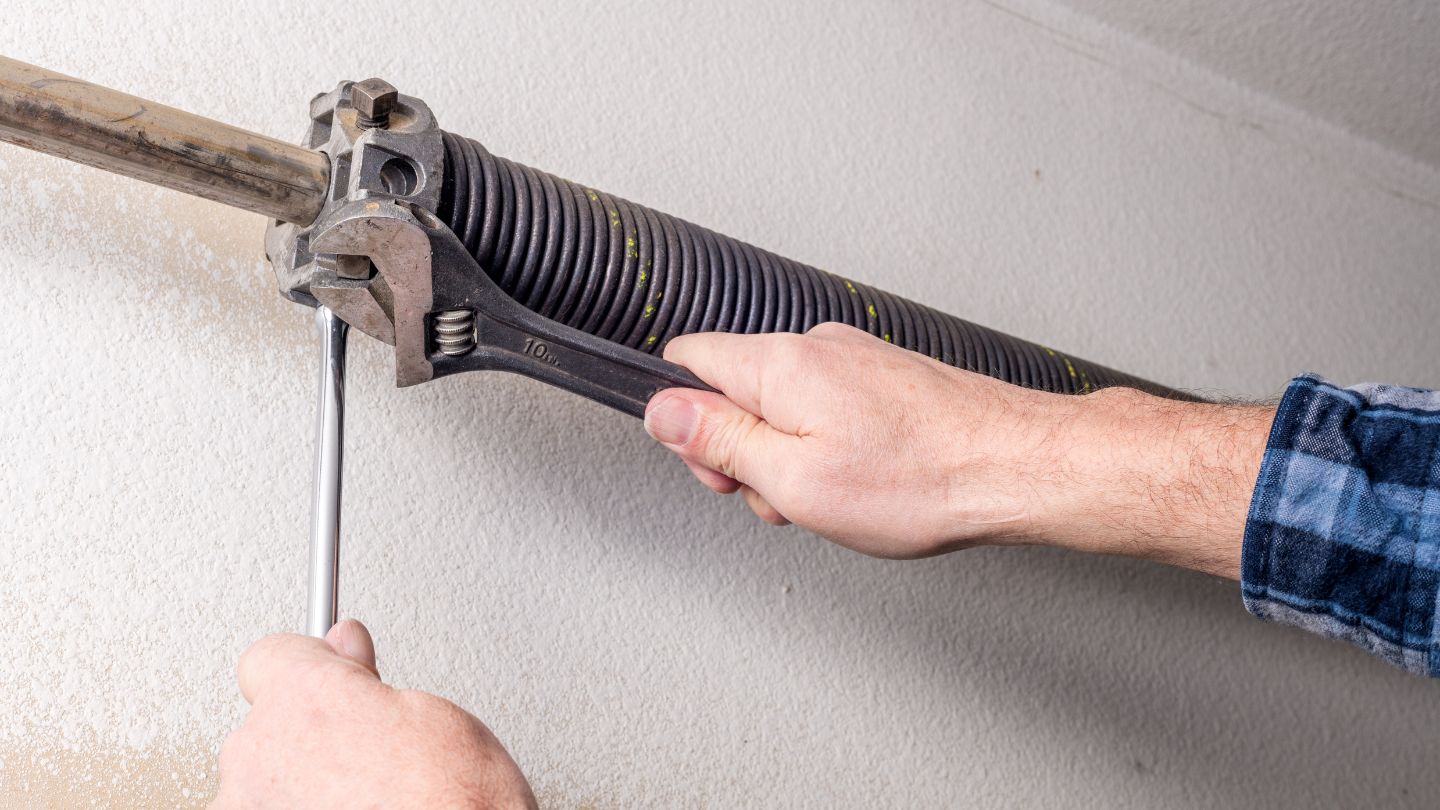
Weak or broken springs cause uneven garage door movement - and this is where shaking transitions from an annoyance to a serious safety concern. Your garage door system relies on torsion spring tension to counterbalance the door's weight. When a spring weakens, partially breaks, or loses calibration, the opener has to fight against an improperly balanced door. The result is a pulsing, jerking motion - especially noticeable at the start of travel.
Frayed cables present a similar problem. When lift cables fray or loosen, they deliver uneven lifting force to each side of the door, causing the door to move unevenly or appear crooked during operation. A door that does not stay in place when manually lifted may indicate spring imbalance - a clear sign that spring replacement or cable work is needed. These components operate under extreme spring tension. Torsion springs should not be adjusted or replaced without professional help.
When basic maintenance doesn't resolve the problem, it's time for professional garage door service. Because garage door problems can involve several interconnected components, getting an accurate diagnosis is important before authorizing repairs. Homeowners should also know how to avoid garage door repair scams when comparing service providers.
Our team ensures track alignment is precise: straight, parallel, and properly plumbed. Straightening bent sections, securing loose hangers to structural framing, and replacing severely damaged tracks eliminates the binding and catching that cause vibration. This precision work also protects rollers and the opener motor from accelerated wear. Track problems are just one of several issues that can affect a garage door, and knowing the common garage door repairs can make it easier to recognize when professional attention is needed.
We replace worn components with long-life alternatives. Upgrading to nylon rollers with sealed bearings reduces noise and vibration dramatically - particularly in cold Central Ohio winters when metal rollers stiffen and lose lubrication. Replacing damaged hinges and ensuring door panels are properly reinforced with struts reduces flex and keeps the door rigid during travel.
Spring replacement, cable adjustment, and balance calibration are core services that require specialized knowledge. Our technicians calibrate torsion or extension springs to match the door's weight precisely, ensure cables wind evenly, and replace frayed cables before they fail. These services eliminate uneven lifting and restore the kind of smooth movement the system was designed to deliver. Addressing these issues promptly can also prevent a relatively minor problem from putting additional strain on other components, which is why understanding the hidden costs of delaying garage door repairs is important for homeowners.
If the garage door opener is the source of shaking, we check chain or belt tension, inspect drive gears, and verify that the opener rail and mounting hardware are secure. Adjusting opener force settings ensures the motor isn't fighting the door's weight - a common cause of lurching at start and stop.
Every service visit includes full balance testing, limit switch verification, auto-reverse functionality checks, and sensor alignment. These tests confirm that the entire garage door system is working properly and safely.
A shaking garage door is often a sign that something needs attention, whether it involves worn components, alignment issues, loose hardware, or other mechanical concerns. Identifying the cause early and addressing it properly can help prevent further damage, improve safety, and keep your garage door operating smoothly for years to come.
Columbus Door Sales provides reliable solutions for homeowners experiencing garage door issues, including professional garage door repair in Columbus. We offer residential service and repair, garage doors, openers, and accessories for garage doors, and entry and patio doors to help maintain safe and dependable door operation. Contact us today to schedule service and find the right solution for your garage door needs.
This typically happens because the opener motor exerts more force during the initial pull, which exposes slack in the chain or belt drive. It can also point to spring tension that's slightly off - the springs are more stressed at the start of the opening cycle, and any imbalance shows up as a jolt. If the door operates smoothly when closing but the door jerks when opening, inspect the opener drive components and have a professional check spring calibration.
Mild shaking from properly lubricated but slightly worn components may be tolerable short-term, but persistent or worsening shaking is a safety concern. Continued use stresses tracks, the opener motor, and springs - increasing the risk of cable failure, spring breakage, or the door derailing.
Lubricating your garage door's moving parts at least twice a year keeps rollers, hinges, and springs properly lubricated and reduces friction that leads to vibration. In Central Ohio, where salt and humidity accelerate corrosion, more frequent lubrication may be beneficial. Regular lubrication reduces friction and prevents shaking - it's one of the simplest and most effective forms of regular maintenance.
Yes. Cold weather stiffens lubricants and causes metal components to contract, while heat causes expansion. These temperature swings loosen fasteners over time and increase friction in rollers and hinges. Humidity and road salt promote corrosion on metal rollers, cast iron pulleys, and exposed hardware. Seasonal shifts are a major reason Central Ohio homeowners notice their garage door shaking more at certain times of year.
A garage door operating normally produces soft, consistent sounds from rollers and hinges - a gentle hum or light click. Concerning shaking involves visible vibration, rattling door panels, jerking motion, loud noises like banging or grinding, or uneven operation where one side of the door lags behind. If the door moves unevenly, bouncing open or visibly flexing, those are warning signs that warrant inspection.
Costs vary widely based on the cause. Minor fixes like tightening hardware and lubrication are low-cost, while roller replacement falls in a moderate range. Spring replacement, track alignment, and opener repair are higher-cost services. The most important thing to know: delaying repair almost always increases the final bill.
.jpg)


