A garage door that refuses to open on a Monday morning does more than disrupt your commute, it signals the beginning of an expensive emergency repair bill that could have been avoided. Regular garage door maintenance stands as one of the most overlooked yet critical aspects of home care, protecting both your family’s safety and your wallet from preventable disasters. This guide covers everything you need to know about maintaining your garage door system, from the safety risks of neglect to the substantial cost savings of routine care.
Key Takeaways
- Regular garage door maintenance prevents the majority of common breakdowns and safety hazards before they occur
- Annual professional service can extend your garage door’s lifespan from 15 to 30 years
- Preventive maintenance costs significantly less than emergency repairs or full door replacement
- Proper maintenance ensures safety features like auto-reverse sensors function correctly
- A well-maintained garage door improves energy efficiency, curb appeal, and overall home value
Why Regular Garage Door Maintenance is Critical
Your garage door operates more than 1,500 cycles annually, opening and closing multiple times each day while enduring constant exposure to weather extremes, temperature fluctuations, and daily wear and tear. As one of the largest moving parts of your home, the garage door system contains springs under tremendous tension, heavy door panels, cables, rollers, and electronic components that all work together to provide smooth operation.
The safety implications of a neglected garage door cannot be overstated. A malfunctioning garage door can pose serious safety risks, including the potential for injury from falling doors due to wiring faults, broken springs, or misaligned tracks. Injuries caused by garage doors account for approximately 20,000 emergency room visits each year, highlighting the importance of regular maintenance to ensure safe operation. These accidents often result from components that failed without warning, failures that routine maintenance would have detected and prevented.
Small issues compound rapidly when ignored. Worn rollers create friction, straining your garage door opener motor. A slightly misaligned track becomes severely bent over time. A spring losing tension forces cables and other components to compensate, accelerating wear throughout the entire system. Routine upkeep prevents minor wear from becoming major or dangerous failures.
Common Problems That Develop Without Maintenance
Without regular attention, several specific problems develop that affect both door operation and family safety:
- Broken Springs: These high-tension components support the full weight of your door. Early detection during maintenance might cost $150–$350 for replacement, while emergency spring failure can result in repairs exceeding $800 and a door that drops suddenly without warning.
- Frayed Cables: Visible fraying indicates cables under stress. Catching this early runs $75–$200 for replacement. If ignored until the cable snaps, you face potential track damage and repair costs reaching $500–$1,500.
- Worn or Seized Rollers: Rollers that grind or stick create noisy doors and uneven movement. Replacement costs around $100–$200 when addressed proactively. Severe track damage from failed rollers can cost hundreds to thousands of dollars.
- Misaligned Tracks: A bent or warped track prevents smooth operation and stresses every connected component. Minor realignment runs $100–$250, while severe track and panel damage from delayed attention requires far more extensive repairs. Many of these issues fall under common garage door repairs, making early detection important to prevent small problems from becoming costly repairs.
- Rusty Hardware and Loose Bolts: Tighten loose bolts and nuts, as daily vibration can loosen them over time. Left unaddressed, loosening hardware and corrosion lead to metal fatigue, component failure, and compromised door stability.
Read More: Signs It's Time to Replace Your Garage Door Springs
Key Benefits of Routine Garage Door Care
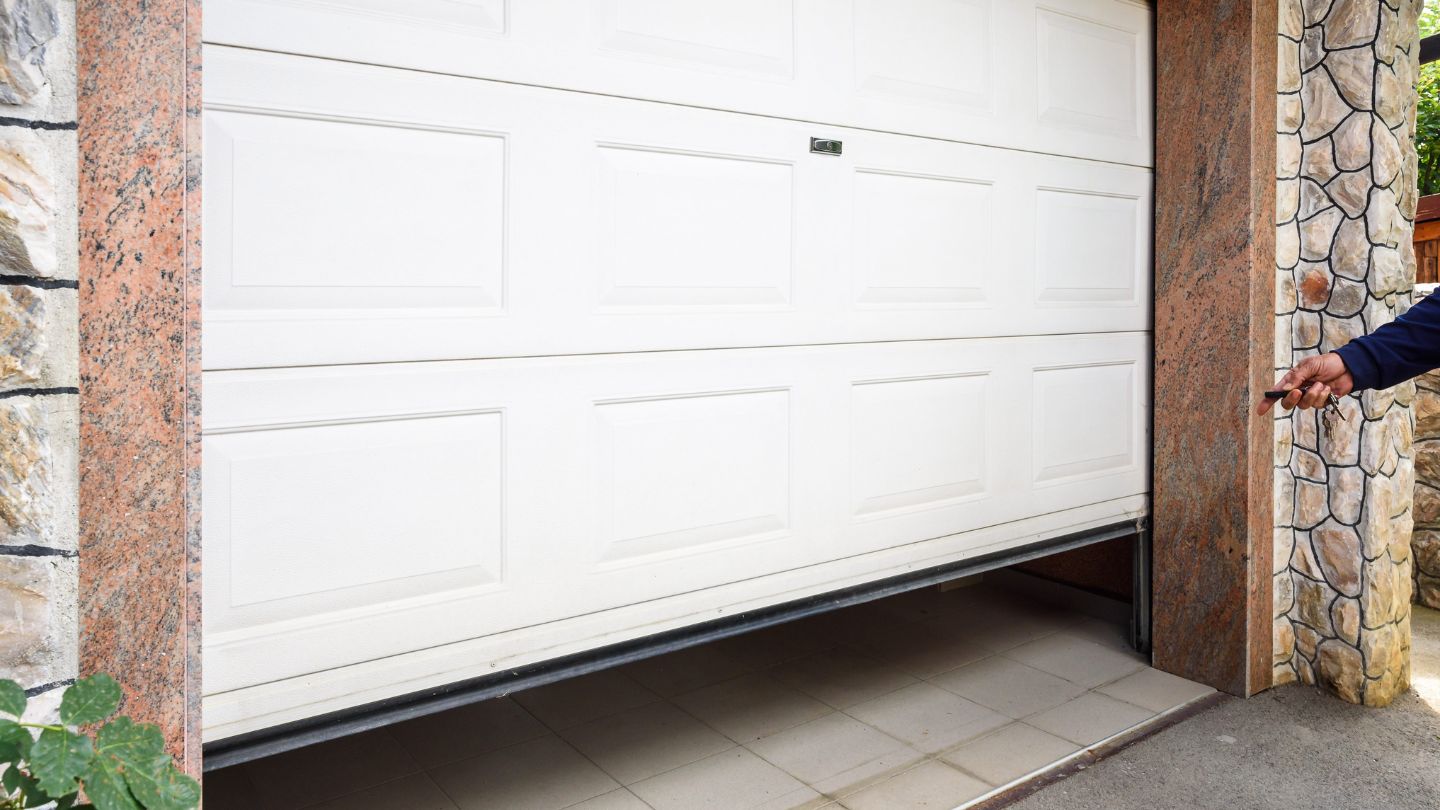
Regular maintenance is vital for ensuring the safety, longevity, and cost-efficiency of garage doors. The benefits extend across multiple areas of homeownership.
- Cost Savings Through Prevention: Regular garage door maintenance can save homeowners money by preventing costly repairs and replacements, as many issues start as minor problems that can escalate if left unaddressed. Catching minor issues early avoids the high costs of major system breakdowns. A maintenance visit costing $100–$200 can prevent emergency repairs running $3,000–$5,000.
- Safety Improvements: Regular maintenance of garage doors can prevent safety hazards by ensuring that components such as springs, cables, and auto-reverse sensors are functioning correctly, reducing the risk of accidents. Regular inspections ensure that safety features, such as sensors and auto-reverse mechanisms, function correctly. The auto-reverse function, required on openers manufactured since 1993, must work reliably, yet studies show that approximately half of doors fail auto-reverse tests during home inspections.
- Energy Efficiency Gains: Proper maintenance of garage doors can significantly enhance energy efficiency by preventing drafts and energy loss due to gaps or misalignments. Regular inspection and maintenance of weatherstripping around garage doors can help keep out cold air in winter and hot air in summer, thus improving energy efficiency. Maintaining insulation on garage doors is crucial for reducing heat transfer and lowering heating and cooling costs.
- Curb Appeal and Home Value: A well-maintained garage door enhances a home’s curb appeal and can significantly increase its market value, as prospective buyers often notice the condition and appearance of the garage door first. Regular cleaning and maintenance keep the door functioning well and looking good, maintaining aesthetic value. Regular maintenance of garage doors can prevent rust and damage, help maintain their appearance and durability, and ultimately contribute to the home's overall value. The material of the door can also influence durability, appearance, and long-term maintenance needs, which is why understanding the best material for a garage door can help homeowners make more informed decisions.
Common Maintenance Mistakes to Avoid
Many homeowners make well-intentioned errors that create additional problems or safety risks:
- Using Wrong Lubricants: General grease or products like WD-40 attract dust and debris, causing drag rather than smooth operation. Use silicone spray or white lithium grease specifically designed for garage door components. Lubricate hinges, rollers, and tracks every 6 months to reduce friction. For homeowners who want to understand routine upkeep better, learning essential garage door maintenance tips can reinforce simple care habits that keep the door looking and working its best.
- DIY Spring Repairs: Springs operate under extreme tension and have caused serious injuries during amateur repair attempts. Leave spring replacement, tension adjustment, and cable work to trained professionals.
- Ignoring Warning Signs: Noisy doors, slow closing, or inconsistent auto-reverse behavior all indicate developing problems. Routine maintenance identifies issues early, such as frayed cables or worn rollers, before they lead to malfunctions.
- Bypassing Safety Features: Disabling photo-eye sensors or defeating auto-reverse mechanisms creates dangerous conditions and may violate building codes.
- Overlooking Environmental Factors: Climate affects maintenance schedules. Areas with freeze-thaw cycles, humidity, or salt exposure require more frequent attention to prevent corrosion and component degradation.
Read More: Why DIY Garage Door Repairs Are a Bad Idea
Professional Maintenance Services and Scheduling
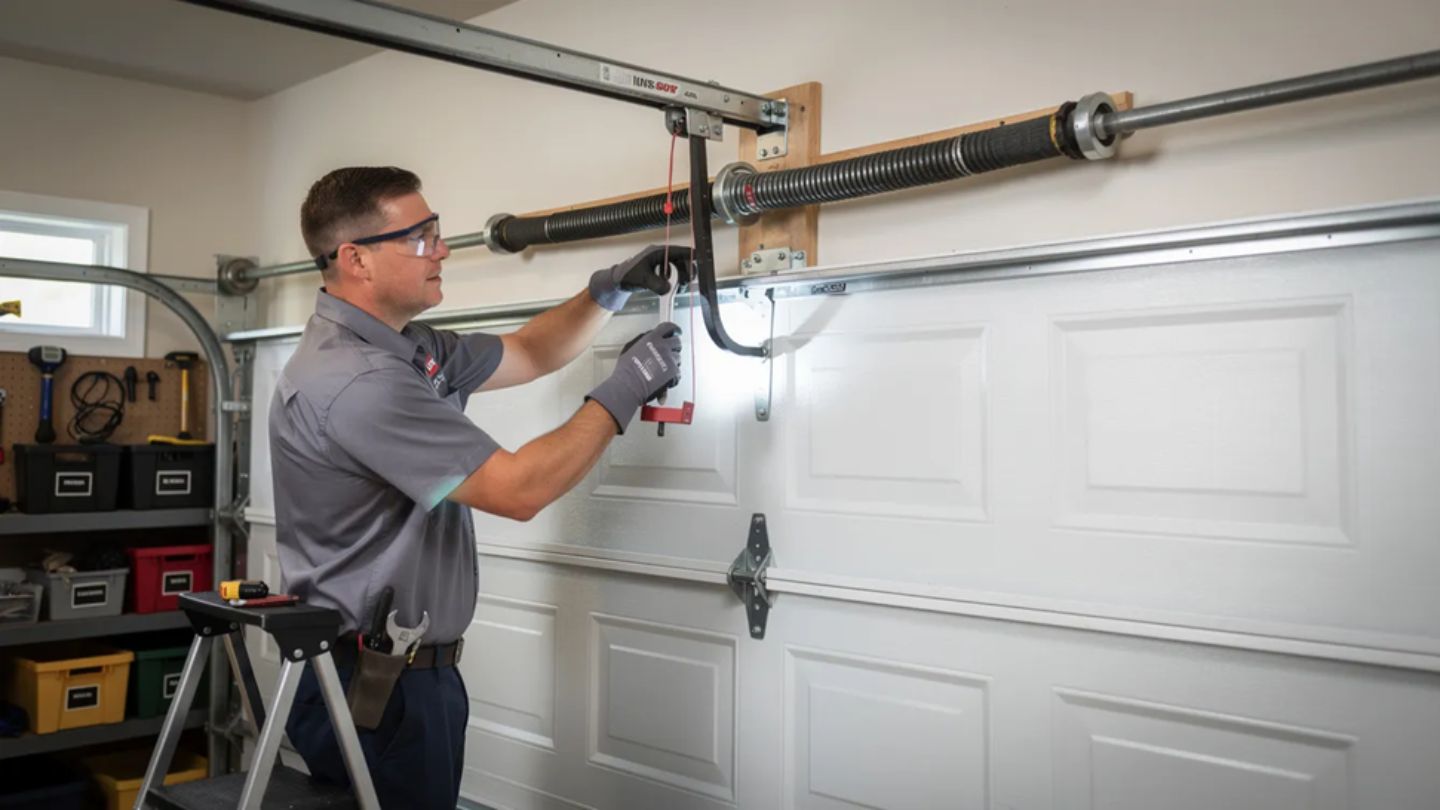
A comprehensive professional maintenance service includes several critical elements:
- Full inspection of springs, cables, rollers, tracks, hinges, weather seals, and opener components
- Hardware adjustment, including tightening loose bolts, brackets, and checking spring tension for proper door balance
- Lubricating moving parts significantly reduces squeaks and loud grinding noises
- Remove dirt and debris from the tracks to ensure smooth, uninterrupted operation
- Testing safety systems, including auto-reverse function and photo-eye alignment
- Evaluation of worn components that should be replaced before failure
Working with a trusted professional also helps homeowners avoid unnecessary repairs, hidden fees, or misleading recommendations, especially when they know how to recognize garage door repair scams.
Scheduling Recommendations: Experts recommend servicing garage doors every 2 years to maintain safety and functionality, helping prevent unexpected malfunctions. Doors with heavier use or those in climates with extreme temperature swings benefit from bi-annual service, once in spring after winter stress and once in fall before severe weather returns.
DIY vs. Professional Tasks: Homeowners can safely perform certain maintenance tasks:
- Remove dirt and debris from the tracks to ensure smooth, uninterrupted operation
- Tighten loose bolts and nuts, as daily vibration can loosen them
- Clean sensor lenses
- Regularly test the door balance by disconnecting the opener and ensuring the door holds its position when lifted
- Apply appropriate lubricant to hinges and rollers
- Inspect weather seals for visible damage
Professional technicians should handle spring replacement, cable work, track realignment, motor repairs, and comprehensive safety inspections. Routine garage door service is essential to ensuring all components operate cohesively, reducing the risk of costly repairs or sudden failures.
Read More: The Importance of Professional Garage Door Inspections for Longevity
Final Thoughts
Regular garage door maintenance is one of the most effective ways homeowners can protect their investment, improve household safety, and avoid unexpected repair costs. From keeping critical components operating smoothly to ensuring safety features function properly, consistent maintenance helps extend the lifespan of the entire garage door system while providing reliable day-to-day performance.
At Columbus Door Sales, homeowners seeking dependable garage door maintenance in Worthington and the surrounding area can count on experienced technicians, professional inspections, and long-term maintenance solutions to keep garage doors operating safely and efficiently year-round. In addition to maintenance services, the company also provides reliable commercial door solutions, high-quality residential garage door services, durable garage door openers and accessories, and stylish entry and patio doors to enhance the functionality, security, and appearance of homes and businesses. Contact us today to keep your garage door performing at its best year-round.
Frequently Asked Questions
How often should I schedule professional garage door maintenance?
Experts recommend servicing garage doors every 2 years to maintain safety and functionality, helping prevent unexpected malfunctions. Doors with high daily usage or those exposed to extreme weather conditions benefit from bi-annual inspections, typically in spring and fall, to address seasonal wear and prepare for temperature extremes.
What are the warning signs that my garage door needs immediate attention?
Watch for noisy doors, visible fraying on cables, gaps in springs, uneven door movement, slow or hesitant operation, and auto-reverse features that fail to respond consistently. A door that doesn’t stay in place when manually lifted indicates balance issues requiring prompt professional attention. Regular garage door maintenance helps identify minor issues before they escalate into major problems, ultimately saving homeowners from costly repairs.
Can I perform garage door maintenance myself, or should I hire professionals?
Many homeowners can safely handle basic tasks, including cleaning tracks, lubricating hinges and rollers, tightening loose bolts, and testing safety features monthly. However, work involving springs, cables, or electrical components should always be performed by trained professionals due to the serious injury risks posed by these high-tension parts.


.jpg)


