
Contact Columbus Door Sales Today!
Thank you! Your submission has been received!
Oops! Something went wrong while submitting the form.
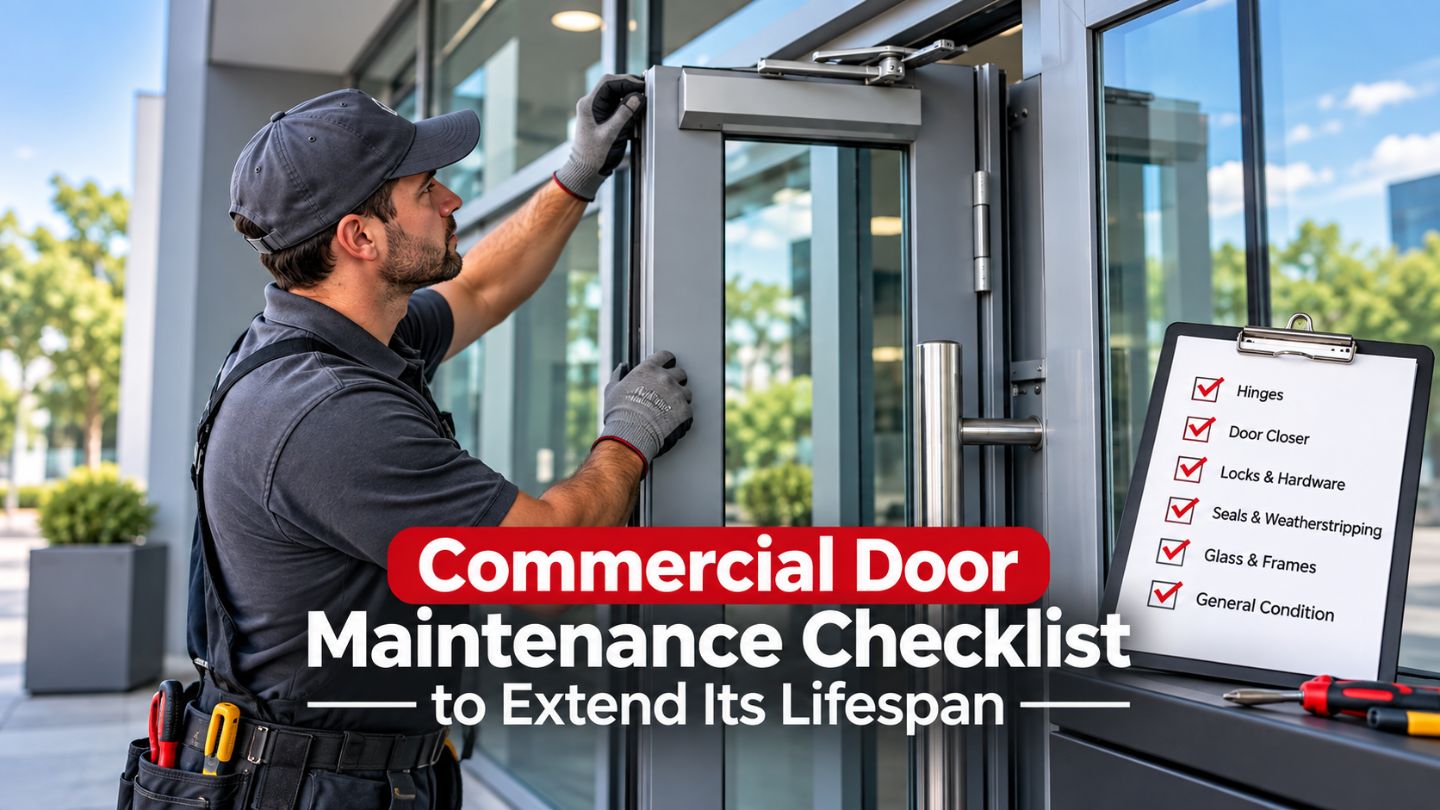
A single commercial door failure during peak operations can halt your loading dock, delay shipments, and expose your facility to security and safety risks. For businesses that rely on their doors dozens of times each day, having a structured door maintenance checklist is the difference between predictable operations and expensive emergencies. This blog walks you through essential maintenance tasks, inspection schedules, and when to call in professional door services to keep every door at your facility in top shape.
Commercial doors endure far more stress than those found in residential homes. A warehouse dock door may cycle open and closed dozens of times daily, placing continuous strain on door springs, rollers, cables, and the door opener. Choosing the right door for a facility's workload, traffic, and operating conditions is an important part of that strategy, and this commercial garage door guide covers the key factors to consider.
The business impact of a failed door extends well beyond the repair bill. When a door goes down at a loading dock, shipping stops, forklifts sit idle, and climate-controlled inventory may be exposed to the elements. Security is compromised, and employees face safety issues if components fail unexpectedly. Regular maintenance on commercial overhead doors improves safety and extends lifespan, making it one of the most practical investments a facility manager can make.
Compliance adds another layer of urgency. OSHA considers improperly maintained commercial doors a potential workplace hazard, and standards like UL 325 set requirements for entrapment protection devices, including photo-eye sensors, safety edges, and auto-reverse safety mechanisms. Keeping your safety systems tested and documented isn't optional-it's a core responsibility for commercial properties.
Skipping routine maintenance creates a cascade of consequences. Worn rollers that go unreplaced can throw tracks out of alignment, which strains the opener motor and accelerates wear on door springs. What started as a simple roller replacement becomes a full system overhaul. Addressing smaller issues before they develop into larger failures can help control repair costs and minimize operational disruptions. Understanding why ignoring minor commercial door repairs can be costly reinforces the value of timely maintenance.
Emergency repair calls always cost more than scheduled service visits-often dramatically so. Beyond the direct repair expense, factor in lost revenue from halted operations, potential property damage from a door that fails to seal, and the liability exposure from malfunctioning safety features. Preventative maintenance can extend a commercial overhead door's lifespan significantly, turning a modest recurring investment into major long-term savings. A properly maintained door also maintains a tight seal against weather, pests, and energy loss-critical for climate-controlled warehouses and cold storage.
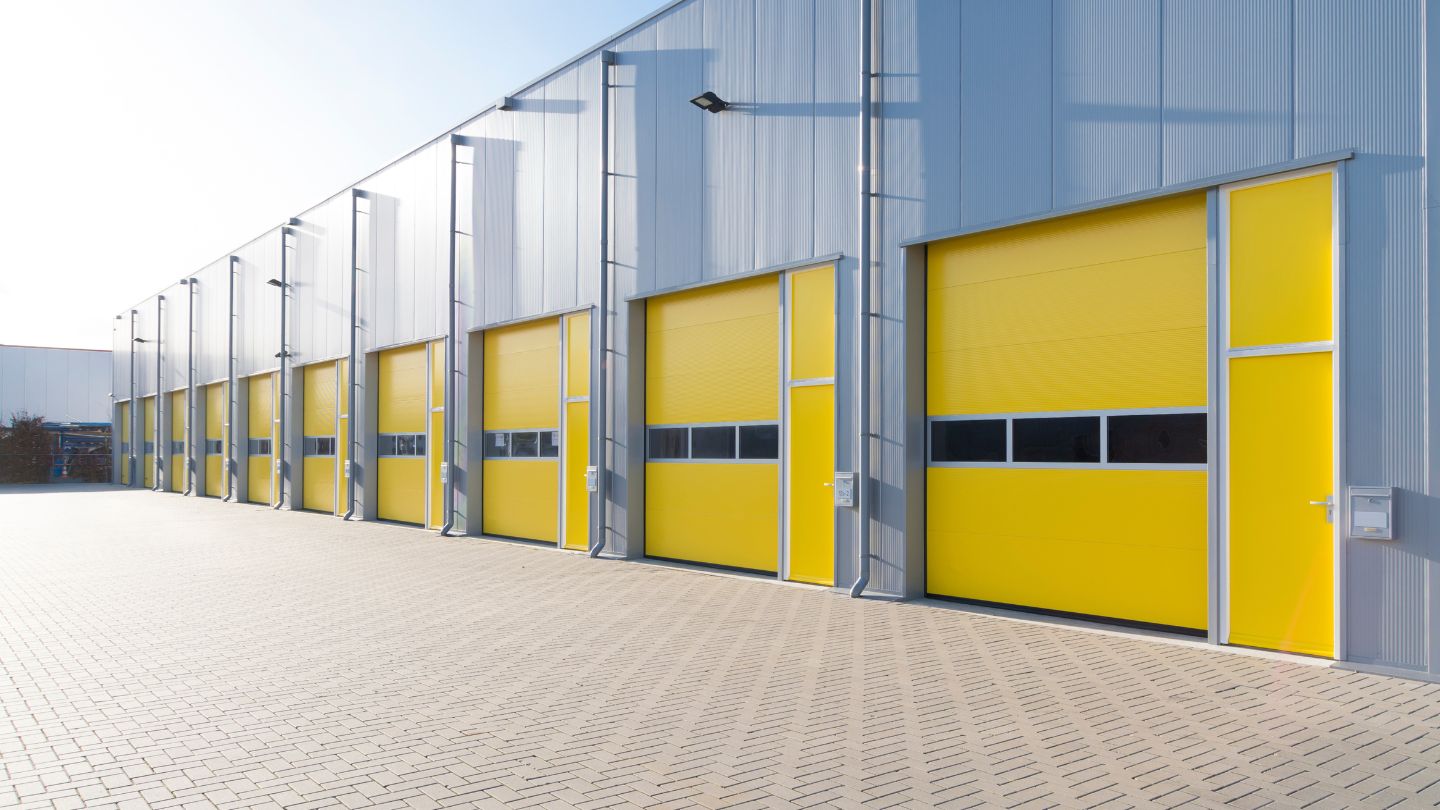
Monthly inspections form the backbone of any overhead door maintenance checklist. Trained facility staff can handle these tasks, and they take relatively little time per door.
Walk the full door and inspect panels for dents, rust, or warping. Check the frame and header for cracks or signs of settling. Inspect rollers for cracks or wear to ensure smooth operation; replace damaged rollers promptly. Look at cables for fraying and examine door springs for visible rust or gaps between coils. Inspect roller brackets, hinges, and bolts for looseness or corrosion. Tighten loose bolts and nuts at the start of each season to prevent vibration-related damage.
A balanced door reduces strain on the opener and extends the life of key components. Disconnect the opener and lift the door manually to about the halfway point. A rolling steel door should stay in place when halfway open. If the door slips downward or shoots upward, the counterbalance system needs professional adjustment. Unbalanced doors can strain the opener and cause failures over time, so don't ignore this test.
Monthly safety tests are essential for commercial fire-rated door inspections. Test the auto-reverse feature with a small object placed in the door's path-the door should automatically reverse upon contact. Check photo-eye sensors for cleanliness and alignment, ensuring nothing obstructs their line of sight. Test the emergency release cord to confirm manual operation works correctly. Testing safety features reduces the risk of accidents and ensures compliance with workplace safety standards.
Run the door through several full cycles and watch its movement closely. Strange noises-grinding, squeaking, or popping-often indicate wear or misalignment. Rough movement, hesitation, or swaying are signs that something needs attention. Unexpected noises from a security grille door often indicate wear or misalignment, so address these signs before they escalate.
While monthly checks catch obvious issues, quarterly and annual inspections go deeper into the systems that keep your commercial door running smoothly.
Every quarter, focus on these more intensive maintenance items:
Commercial doors should undergo comprehensive inspections at least semiannually, and high-cycle overhead doors require more frequent professional attention. Annual maintenance prevents costly repairs and ensures safety. A professional garage door inspection should cover:
Keeping maintenance records helps identify recurring problems and schedule needs. For each door, maintain a file that includes:
Maintaining a regular inspection schedule is essential for commercial door health and ensures nothing falls through the cracks. This documentation also proves invaluable during warranty claims or safety audits.
Regular commercial door maintenance helps prevent unexpected breakdowns, improve safety, and extend the lifespan of your equipment. A consistent inspection and maintenance routine helps identify small issues before they become major repairs, ensuring your commercial doors operate efficiently and reliably.
Columbus Door Sales provides dependable solutions for businesses seeking professional commercial door service in Columbus. We offer overhead doors, security grilles, operators and accessories, and dock equipment to support various commercial door needs. Contact us today to schedule service and keep your commercial door systems performing at their best.
Commercial overhead doors should undergo comprehensive inspections at least semiannually. However, high-cycle doors that operate frequently throughout the day may need quarterly or even monthly professional attention. The right schedule depends on your door's daily usage and the environment it operates in.
Monthly safety tests should cover the auto-reverse mechanism (test the auto-reverse with a small object in the door's path), photo-eye sensors (check for cleanliness and alignment), and the emergency release cord for manual operation. Testing photo-eye sensors is critical for safe operation of commercial doors, and these tests take only a few minutes per door.
No. While trained staff can handle visual inspections, balance tests, lubrication, and basic hardware tightening, any work involving overhead door springs, cable assemblies, or torsion systems must be left to professional door technicians. These components operate under extreme tension, and attempting DIY repairs without proper training risks serious injury.
Watch for warning signs including strange noises during operation, rough movement or hesitation, a door that won't hold its position during a balance test, visible cable fraying, or safety sensors that fail to trigger the auto-reverse. Any of these signs indicate that minor issues are developing into problems that require professional service.
Maintain records that include each door's identity (location, type, model, install date), inspection dates and findings, parts replaced, adjustments made, and repair costs. Keeping maintenance records helps identify recurring problems and schedule needs, and this documentation supports warranty claims and demonstrates compliance during safety audits.
.jpg)


