
Contact Columbus Door Sales Today!
Thank you! Your submission has been received!
Oops! Something went wrong while submitting the form.
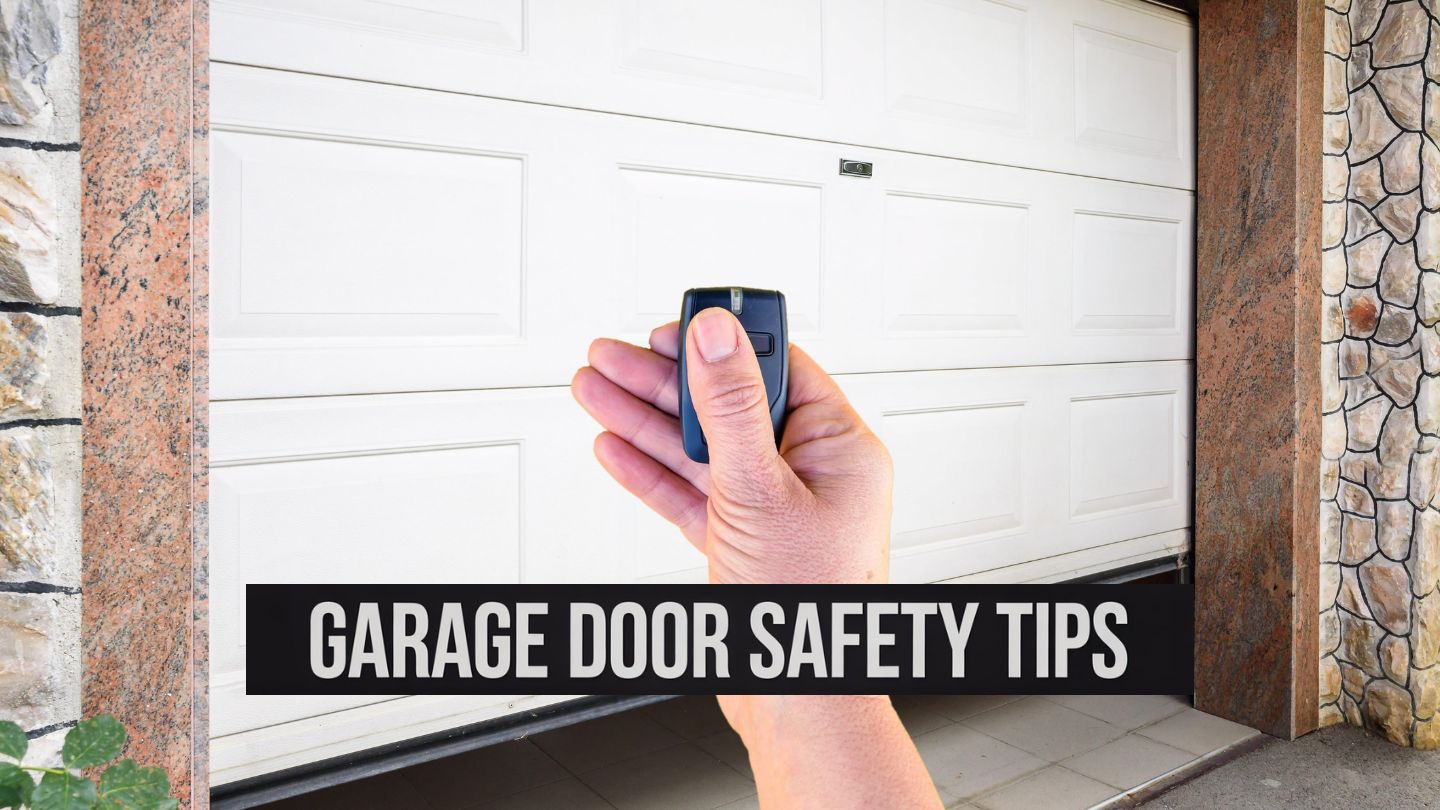
Garage doors are one of the largest moving components of any home, and they are used multiple times a day without much thought. When not properly maintained or operated, they can pose serious risks to people, vehicles, and property. Understanding basic safety practices can help prevent accidents and extend the life of your garage door system. From everyday use to routine inspections, small precautions make a big difference. In this blog, we’ll cover essential garage door safety tips every homeowner should be aware of.

Most homeowners operate their garage door several times per day without giving it a second thought. Yet this convenience comes with real responsibility. The typical residential garage door weighs between 150 and 400 pounds, and in some cases even more. When you factor in the mechanical power behind an automatic garage door opener, you’re dealing with a heavy door that can exert hundreds of pounds of force during operation.
This isn’t just theoretical risk. Beginning in 1983, the U.S. Consumer Product Safety Commission (CPSC) began tracking fatal and serious injury incidents involving automatic garage doors. The pattern was alarming: children running under a closing garage door, fingers caught between door sections, and catastrophic spring failures causing property damage and harm. These incidents led directly to federal safety standards in 1993 requiring all residential openers to include safety sensors and an auto-reverse feature.
Behind your garage door system lies a network of high-tension components: torsion or extension springs, steel cables, tracks, and rollers, all working together as precision working machines. When properly maintained, these parts provide years of trouble-free operation. When neglected, they can fail violently and without warning.
Here’s another factor many homeowners overlook: your garage is often one of your home’s primary entry points. The garage’s entry points connect directly to your house, making door safety a home security issue, not just a mechanical concern. A malfunctioning or unsecured garage door can provide easy access for intruders while also putting your family at risk.
The good news? With regular maintenance, monthly testing, and awareness of a few key safety tips, you can keep your family safe and your garage door operating reliably for years to come. Let’s walk through the essential garage door safety tips every homeowner needs to know.
Every time you operate your garage door, whether opening or closing, take a quick visual check to confirm nothing is underneath or near the door’s path. This simple habit takes just a second but can prevent devastating accidents.
The statistics are sobering. Tens of thousands of child injuries occur each year from home mechanical systems and electronics, with the garage being a major risk zone. Children, pets, bicycles, strollers, and tools can all end up in harm’s way when a moving door comes down with force.
Before pressing that remote, always confirm:
|
What to Check |
Why It Matters |
|
Children and pets |
They can move unexpectedly into the door’s path. |
|
Bikes, scooters, strollers |
Objects left near the opening can be crushed or cause door damage. |
|
Tools and equipment |
Items on the garage floor can interfere with sensors and door travel. |
|
Your own position |
Never stand directly under a moving garage door. |
Family rules for garage door safety:
These behavior-focused rules apply to everyone in your household. Post them near your garage entry door where the whole family can see them.
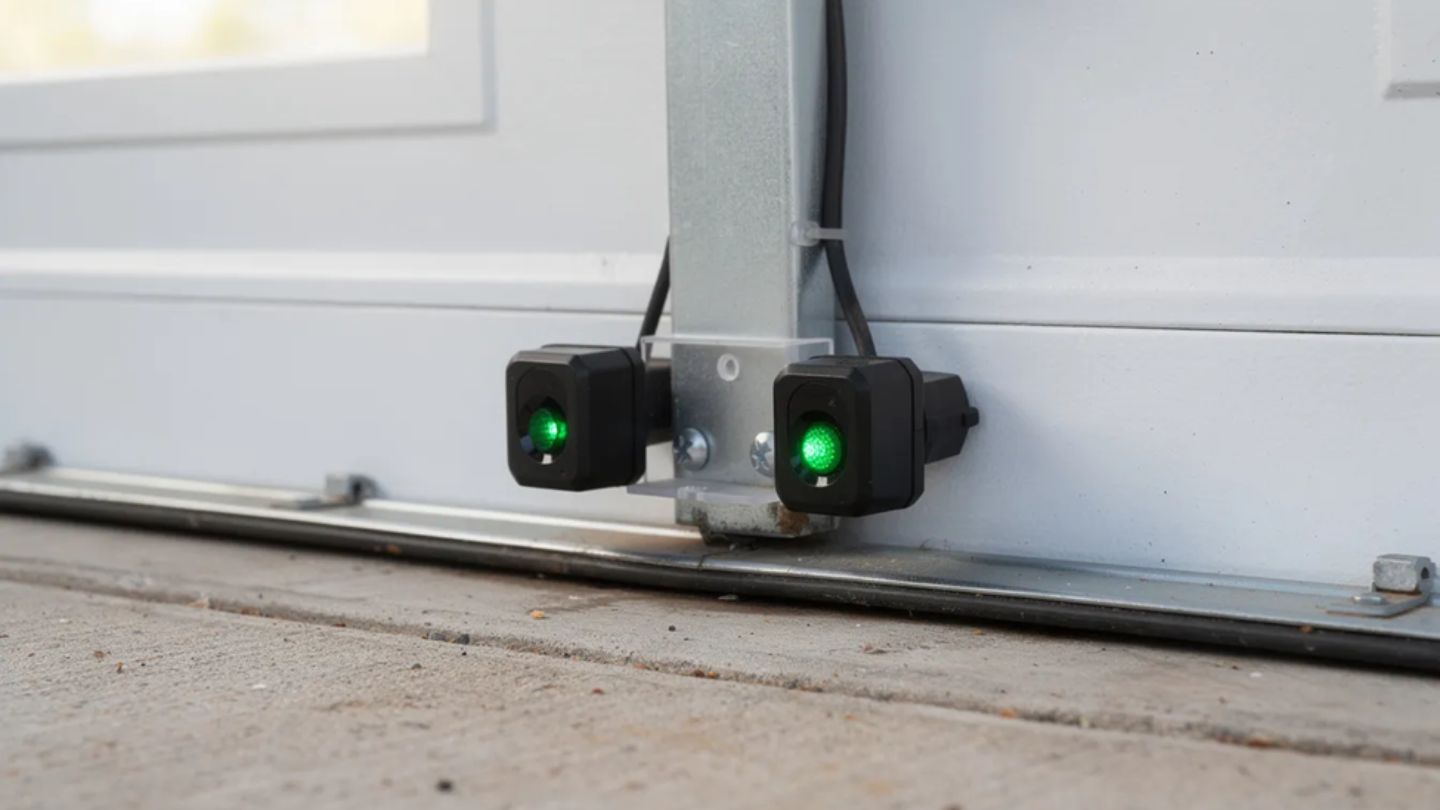
Since 1993, UL-listed garage door openers sold in the United States must include two critical safety features: photo eye sensors mounted near the garage floor and an auto reverse mechanism that stops and reverses the door if it contacts an obstacle. These features have prevented countless injuries, but only if they’re working properly.
Monthly sensor test procedure:
Checking your photo eye sensors:
When to take immediate action:
If your door does not reverse, closes with excessive force, or operates without functioning safety sensors, unplug the opener immediately and contact a garage door professional. Operating a door with failed safety features puts everyone at risk.
For homeowners with openers manufactured before 1993, it’s worth noting that these older units typically lack compatible sensor technology. Rather than attempting to retrofit, replacement with a modern opener is the safer and more cost-effective long-term solution. Pre-1993 openers contribute to an estimated 650 injuries annually, according to CPSC data. Long-term protection depends on professional garage door inspections for longevity, which identify hidden risks before they lead to injury or system failure.
The tension-fueled parts of your garage door system, particularly the springs and cables, do the heavy lifting every time your door opens and closes. Torsion springs mounted above the door can store up to 10,000 foot-pounds of energy, roughly equivalent to the force needed to lift a compact car. When these components fail, they can snap with enough force to send metal pieces flying, cause severe property damage, or lead to serious injury or even death. Consistent upkeep aligned with essential garage door maintenance tips helps reduce wear on springs, cables, and rollers before minor issues escalate into safety hazards.
This is why spring and cable repairs demand utmost respect and professional handling.
Monthly visual inspection checklist:
With your door closed, look for these warning signs:
Warning signs that require immediate professional attention:
|
Sign |
What It Indicates |
|
A loud bang from the garage |
Possible spring break |
|
Screeching or grinding during operation |
Worn rollers or misaligned tracks |
|
The door feels extremely heavy to lift manually |
Broken spring or cable |
|
Jerky, uneven movement |
Track or spring issues |
|
The door won’t stay open halfway. |
Spring tension imbalance |
The cardinal rule: Homeowners should never attempt to adjust, remove, or replace torsion springs, extension springs, or load-bearing cables. These are professional-only tasks requiring specialized winding bars, clamps, and safety procedures. Attempting DIY repairs on components under extreme tension has resulted in hundreds of emergency room visits annually.
Schedule a professional safety inspection at least once per year. If your door is used heavily, multiple vehicles are coming and going throughout the day, or it is more than 10-15 years old, consider inspections every 6 months. Regular inspections catch problems early, preventing expensive repairs and keeping your system running smoothly. Establishing a routine based on how often garage doors should be serviced supports long-term safety, reliability, and smooth daily operation.
How you use your remote controls, wall buttons, and access codes directly impacts both accident prevention and your home’s security. Improper habits can lead to injuries and make your garage vulnerable to break-in attempts.
Wall button placement and use:
Remote control security:
Here’s a statistic worth remembering: approximately 40% of burglars who target garages exploit remotes left visible on car sun visors. Protect yourself by:
Access code best practices:
|
Do |
Don’t |
|
Change codes when you move into a new home |
Use obvious codes like 1234 or your address |
|
Keep codes private within your household. |
Share codes with neighbors “just in case.” |
|
Teach children that code is not for sharing |
Write the code on the keypad or nearby |
|
Change codes if you’ve given temporary access |
Keep the same code for years without review |
Smart technology advantages:
Modern smart garage door opener systems with smartphone apps and rolling code technology offer significant security improvements. Rolling code technology generates a new access code from billions of combinations with each use, rendering code-grabbing devices obsolete. Smart features can also:
If your opener still uses older fixed-code technology from the 1970s-1980s, upgrading to a system with rolling code dramatically reduces the risk that someone could accidentally open your garage or intentionally gain unauthorized access.
Kids and pets often see the garage as an extension of the play area, which creates natural safety challenges. Clear rules, consistent supervision, and age-appropriate education make all the difference.
Create a family “garage door safety rules” list:
Post these rules near your garage entry door where everyone can see them:
Lead by example:
Children learn by watching. When parents consistently wait until the door is fully open or closed before walking through, and never duck under a partially opened door, kids adopt the same safe habits. Statistics show that toddlers cause approximately 15% of unintended garage door cycles, often by accessing remotes or reaching wall buttons, so secure storage matters.
Pet safety considerations:
Pets present unique challenges because they can dart unexpectedly through openings:
Remember that a garage door can exert over 300 pounds of force; more than enough to cause serious injury to a child or pet who gets in the way.
Power outages, motor failures, or remote issues can leave your door stuck unless you know how to operate it manually. This knowledge is essential for every adult in your household, especially during emergency situations. Ignoring early warning signs contradicts the reason why ignoring minor door repairs can be costly, as small mechanical issues can quickly develop into dangerous failures.
Understanding the emergency release:
Most garage door openers feature an emergency release cord; typically, a red handle hanging from the opener trolley. This cord disconnects the door from the motor, allowing you to lift the door by hand.
Safe manual release procedure:
If the door is extremely heavy, doesn’t stay up on its own, or moves unevenly, do not attempt to operate it manually. These are signs of spring failure or serious imbalance requiring professional repair.
Basic homeowner maintenance tasks:
|
Task |
Frequency |
Notes |
|
Lubricate rollers, hinges, and springs |
Every 3-4 months |
Use garage-door-specific lithium grease, not WD-40 |
|
Tighten accessible hinge and track bolts. |
Every 6 months |
Don’t over-tighten |
|
Clear tracks of debris |
Monthly |
Wipe with a clean cloth |
|
Test safety sensors and auto-reverse |
Monthly |
Use the paper towel roll test |
|
Check weatherstripping |
Seasonally |
Replace if cracked or missing |
|
Inspect cables and springs visually. |
Monthly |
Look only; never touch |
When to call a professional instead:
Leave the door closed if possible and contact a qualified technician. Attempting to force a malfunctioning door can cause further damage and put you at risk.
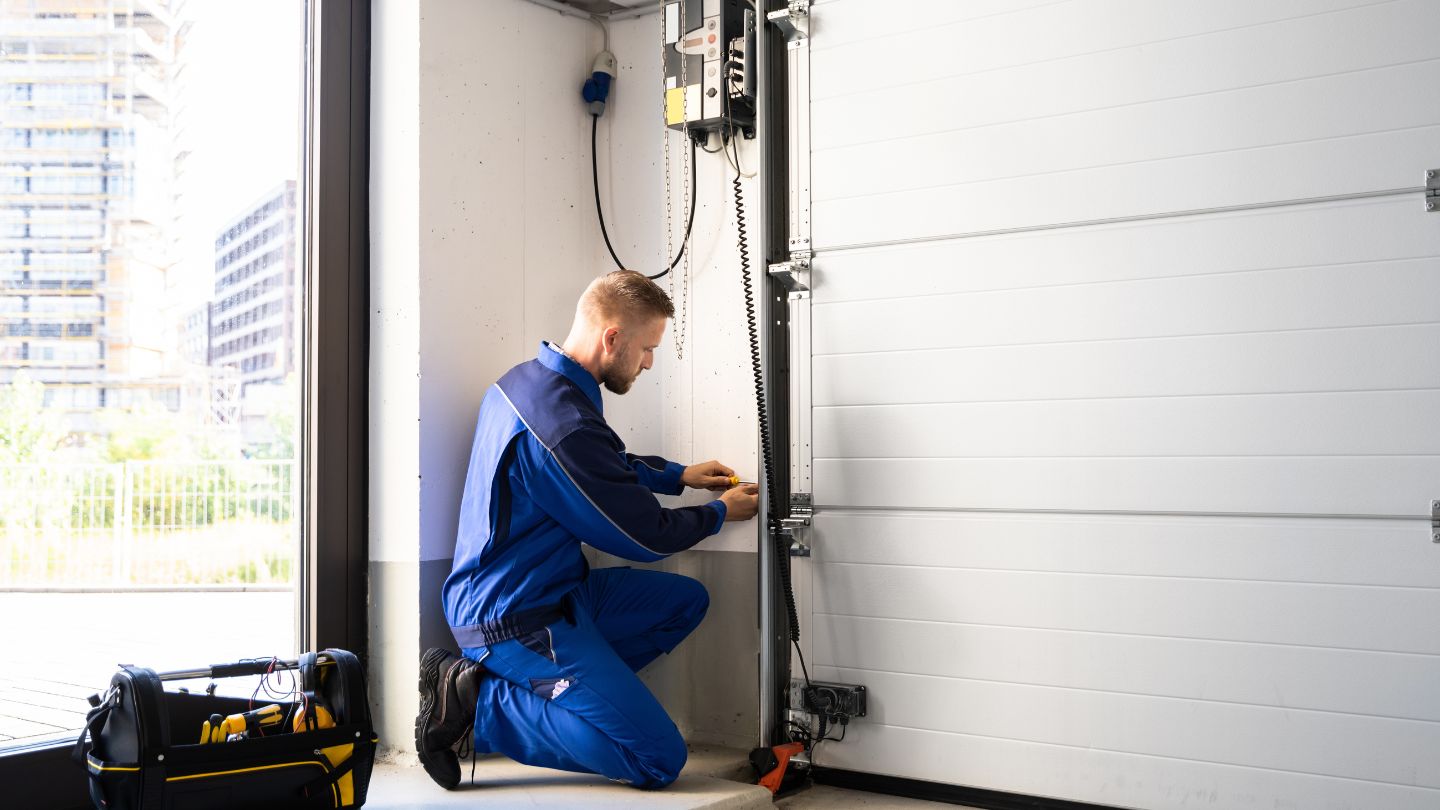
Even the best-maintained garage door systems have a lifespan. Openers typically last 10-15 years, while springs are rated for 10,000-20,000 cycles (roughly 7-14 years of average use). Knowing when to repair versus replace can save money and prevent safety issues.
Signs it’s time to call a professional:
When replacement makes more sense than repair:
Garage door safety comes down to awareness, routine care, and knowing when to call a professional. Regular inspections, proper operation, and attention to warning signs help prevent injuries and costly damage. Staying proactive ensures your garage door remains reliable, secure, and safe for everyone using it daily.
When professional help is needed, Columbus Door Sales delivers dependable solutions backed by experience and quality workmanship. We provide trusted support for homeowners looking for reliable garage door service in Dublin, focused on safety, performance, and long-term value. From openers and accessories, service and repair, garage doors, to patio entry doors, we handle complete solutions designed to fit your home. Take the next step toward a safer, better-performing garage door. Contact us today and let our team help protect what matters most.
Most manufacturers recommend a professional inspection once a year to ensure safe operation. If your garage door gets heavy daily use or you live in a harsh climate, inspections every six months are wiser. Any sudden noise, imbalance, or strain should prompt immediate service.
First, check for power, manual locks, or a pulled emergency release. If the motor runs but the door won’t move, a broken spring or cable is likely. Do not force the door. Leave it as-is and contact a professional immediately.
No. Garage door springs are under extreme tension and can cause serious injury if mishandled. Specialized tools and training are required to safely replace or adjust them. Homeowners should limit DIY work to inspections, lubrication, and sensor testing only.
Many openers made before 1993 aren’t compatible with modern safety sensors. While retrofit kits exist, they’re often unreliable. Replacing the opener with a modern unit that includes built-in sensors and safety features is usually safer and more cost-effective.
Fully close the door, engage any manual locks, and unplug the opener or activate vacation mode. Remove remotes from vehicles and enable smart alerts if available. Always lock the door connecting the garage to your home to prevent unauthorized entry.
.jpg)


