
Contact Columbus Door Sales Today!
Thank you! Your submission has been received!
Oops! Something went wrong while submitting the form.

Garage door openers are an essential part of daily convenience, allowing homeowners to access their garages quickly and securely. Like any mechanical device, these systems experience wear and tear over time due to regular use and environmental factors. Components such as motors, gears, and sensors gradually lose efficiency as years pass. Understanding the typical lifespan of these systems can help homeowners plan for maintenance or replacement before problems arise. In this blog, we will explore the average lifespan of garage door openers, factors that affect their longevity, and signs that it may be time for an upgrade.
Under normal twice-daily use and basic maintenance, most garage door openers last between 10 and 15 years. Quality models from reputable brands often reach the upper end of these ranges, or even exceed them, when serviced annually.
Here’s what you can expect from the three main types of openers:
|
Opener Type |
Typical Lifespan |
Key Characteristics |
|
Chain Drive |
10–15 years |
Affordable, durable, requires regular lubrication |
|
Belt Drive |
15–20 years |
Quiet operation, smoother, less metal-on-metal wear |
|
Screw Drive |
10–15 years |
Fewer moving parts, sensitive to temperature |
|
Jackshaft (Wall-Mounted) |
12–20 years |
Space-efficient, robust on balanced doors |
It’s worth noting that age alone is a common threshold for proactive replacement. Even if your opener still functions at 15 to 20 years old, garage door experts typically recommend considering an upgrade due to outdated safety technology and rising repair costs for legacy parts.

Your opener’s life expectancy isn’t set in stone. Several factors determine whether your unit will be closer to 8 to 10 years or stretch past 15 to 20 years of reliable service.
The main factors include:
Understanding these factors helps you estimate where your opener falls on the lifespan spectrum—and what you can do to maximize its service life.
Garage opener motor lifespan is measured in cycles, where one cycle equals a full open-and-close sequence. The more you use your garage door frequently, the faster you burn through those cycles.
Here’s how usage patterns affect longevity:
Opening a heavy, unbalanced, or poorly lubricated door places additional strain on the motor, gears, and drive system. Homes with frequent use—multiple drivers, workshop access, or regular package deliveries—should consider higher-duty or commercial-grade openers rated for 50,000 or more cycles.
The main types of openers differ significantly in design, noise level, and expected lifespan, so it’s important to understand the different types of garage door openers before choosing a model.
Build quality matters at every price point. Openers with larger motors (1/2 to 3/4 HP), reinforced rails, and durable nylon gears consistently outlast units with undersized motors and plastic components.
Extreme temperatures, high humidity, and dust can significantly shorten an opener’s life by stressing electronics and mechanical parts.
Uninsulated, unsealed garages experience more wear from these environmental stresses. Maintaining temperatures between 50–70°F through proper insulation can cut corrosion-related wear by up to 50%.
Regular maintenance is the single biggest controllable factor in extending your opener’s lifespan. Garage door opener maintenance tasks that make a real difference include:
A well-balanced door—where springs are correctly adjusted to counteract the door’s weight—allows the opener to work within its intended load. This reduces strain on the motor and can significantly extend service life.
Poor installation cuts years off an opener’s life. Misaligned tracks can add 20% drag, while an undersized motor paired with an oversized or heavy door works harder on every cycle. Annual professional tune-ups and expert garage door opener installation catch frayed cables, worn rollers, or failing springs before they damage the opener.
Most homeowners start asking, “How long do garage door openers last?” when they notice performance changes around the 10 to 15-year mark. Identifying signs of wear early helps you plan ahead rather than facing unexpected breakdowns.
Common age-related triggers include:
Watch for these symptoms that suggest your opener is nearing the end of life:
These issues can stem from the opener, the door hardware, or both. Professional diagnosis helps determine whether repair or replacement makes the most sense.
There’s a difference between normal opener noise (especially common with chain drive units) and unusual noises that signal trouble.
New grinding, squealing, or rattling sounds often point to worn gears, a failing motor, or loose brackets and rails. If your opener has gotten noticeably louder over the years—beyond typical chain clatter—it may have about 50% of component life remaining.
Visible shaking of the opener unit or rail during operation is a red flag. If noise and vibration persist after proper lubrication and tightening, replacement is often more practical than repeated repairs.
Many openers installed before 1993 may lack the photo-eye safety sensors now required by federal standards. These sensors detect obstructions and prevent the door from closing on people, pets, or vehicles—a critical safety feature.
Older models without rolling-code technology use fixed codes that can be captured by scanner devices, compromising your home secure status and increasing the risk that garage door openers can be hacked. Modern openers use encrypted rolling codes with over a billion possible combinations.
Because garage doors are a major entry point into your property, modern systems play a central role in overall home security. Features available in current models include:
Even if an old opener still runs after 20+ years, upgrading for these safety and security features is often a wise investment.
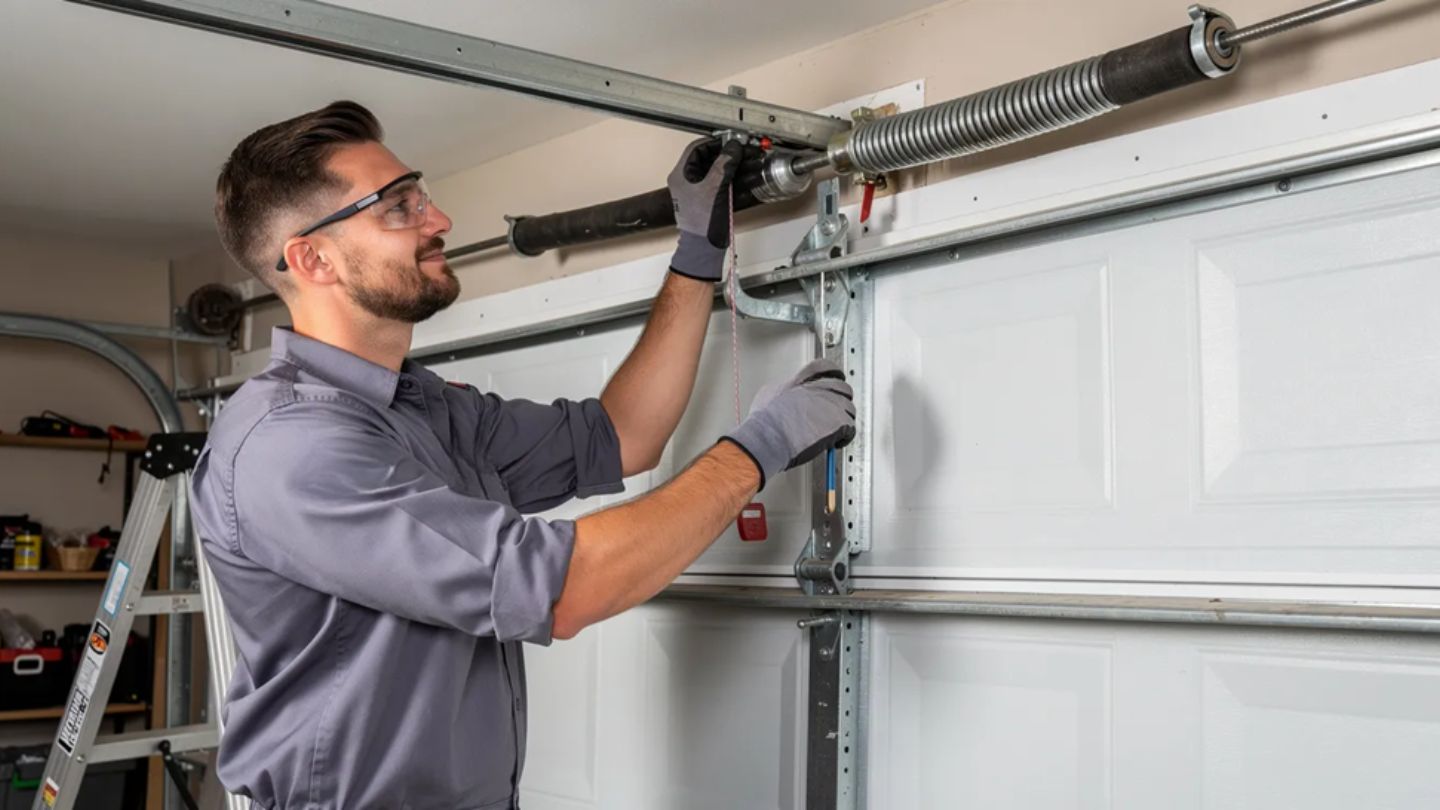
Proactive care is usually cheaper than emergency service calls and premature replacement. Following a consistent maintenance routine helps your opener reach the upper end of that 10 to 20-year range.
A simple routine keeps potential issues from becoming major problems:
Key tasks for your annual inspection:
A properly balanced, well-lubricated door dramatically reduces the load on your opener motor, promoting efficient operation and smooth operation.
Use a garage-door-specific lithium-based lubricant on hinges, rollers, and springs 1–2 times per year. Avoid using general-purpose WD-40 as a long-term lubricant—it evaporates and doesn’t provide lasting protection.
Small maintenance steps prevent the opener from working harder than necessary:
Catching and repairing these small issues early prevents motor burnout and gear damage.
Power surges from lightning or utility fluctuations can instantly damage circuit boards—one of the more expensive components to replace.
Protection strategies include:
Stable power and a gentler interior environment mean fewer sudden failures and longer service life.
Around the 10 to 15-year mark, homeowners often face the choice between another repair or investing in a new garage door opener. The right answer depends on your specific situation.
Upgrading can reduce noise by up to 50%, add smart home integration, improve safety with current sensor technology, and provide more efficient operation. Total cost of ownership often favors a new unit at around $0.05 per cycle versus $0.10 or more for an aging, frequently repaired opener.
While homeowners can handle basic visual checks and light lubrication, many opener and spring issues require professional expertise. A garage door repair professional brings the tools, training, and experience to diagnose problems accurately and work safely with high-tension components.
Professional garage door repair service provides correct diagnosis, safe handling of springs under tension, warranty-backed repairs, and honest guidance on when replacement is more cost-effective than continued repairs.
Scheduling routine opener and door inspections—especially in older homes or before selling a property—ensures safe and reliable operation for years to come. Whether your opener needs a tune-up, repair, or full replacement, proactive care combined with expert help maximizes lifespan and keeps your home safe and secure.
Most garage door openers last between 10 and 15 years, with some high-quality models reaching 20 years when properly maintained. Factors like usage frequency, door balance, environment, and routine servicing all play a role in longevity. Regular inspections, lubrication, and timely repairs help prevent breakdowns and ensure your opener continues operating safely and efficiently.
Columbus Door Sales provides dependable solutions along with expert garage door maintenance in Dublin to help homeowners keep their garage door systems running smoothly and safely for years. Our team offers residential service, residential garage doors, residential service and repair, openers, and accessories for garage doors. Contact us today to schedule professional assistance and keep your garage door system operating at its best.
Garage door openers should generally be inspected and serviced once a year to keep them operating smoothly. Annual maintenance typically includes lubricating moving parts, checking belt or chain tension, testing the safety reversal system, and ensuring photo-eye sensors are aligned. Regular service helps prevent premature wear and can extend the opener’s lifespan beyond 15 years.
Several factors can shorten the lifespan of a garage door opener, including frequent daily use, a heavy or unbalanced door, poor installation, lack of lubrication, and extreme temperatures in the garage. When the opener motor is forced to work harder on every cycle, gears and internal components wear down more quickly.
If the opener is under 10 years old and the repair is minor, fixing the unit is usually the most cost-effective option. However, if the opener is 15 years or older, requires frequent repairs, or lacks modern safety features, replacement is typically the better long-term investment.
Yes. Modern garage door openers are designed with more efficient motors and LED lighting, which consume less electricity than older models. Many also include smart technology, standby power reduction, and battery backup systems, making them both more energy-efficient and more reliable during power outages.
.jpg)


