
Contact Columbus Door Sales Today!
Thank you! Your submission has been received!
Oops! Something went wrong while submitting the form.
.jpg)
Your garage door won't close, and you're standing in the driveway with somewhere to be. Before you start troubleshooting at random, know this: the root cause almost always falls into one of three categories. Safety sensors, physical obstructions, or electrical and settings problems. Most of these you can quickly identify and resolve yourself. A few require a professional technician. This guide walks through the reasons why your garage door won't close, how to diagnose each one, and when to call for garage door repair.
Safety sensors create an invisible beam across the garage door opening. One unit emits an infrared signal; the other receives it. They are located about four to six inches above the garage floor on each side of the opening. When the receiver cannot detect that beam, the garage door opener's control board halts or reverses the closing command. The auto-reverse function is required by law on modern garage doors, mandated under the UL 325 standard since 1993 to protect small children, pets, and objects from entrapment.
Dirty sensors can cause false signals, preventing door closure. Even a thin layer of dust on sensors, pollen, or a spiderweb across the lens diffuses the infrared beam enough to break it. Condensation produces the same effect. The fix: wipe both lenses with a soft cloth. Avoid solvents or abrasive cleaners that can scratch the lens surface or crack the casing.
Obstructions near the sensors also trigger reversal. Tools, storage items, or debris physically blocking the beam path will prevent the door from closing. Sensors detect obstructions even slightly beyond their direct path, so clear anything within a few inches of either unit. Because safety sensors are an important part of preventing unintended door movement, understanding the role of garage doors and openers in home security systems can also help homeowners see how these components contribute to overall property security.
How to identify sensor problems: check the LED indicator lights on each unit. The emitter (sender) LED should glow steady. The receiver LED should also hold steady when the beam is intact. Flashing sensor lights indicate a misalignment or obstruction. If your garage door starts to close, then reverses back up, and the opener light flashes repeatedly, that pattern is a diagnostic signal pointing to the sensor circuit.
Sunlight interference can also disrupt the functionality of safety sensors. Direct sun glare hitting the receiver during certain times of day tricks it into reading a broken beam. Shading the receiver or repositioning units to avoid direct exposure resolves this. Seasonal conditions can also affect garage door operation, so understanding the effects of cold weather on garage door openers can help homeowners recognize problems caused by freezing temperatures, stiff components, or ice buildup.
Read More: Important Garage Door Safety Tips You Need to Know
Sensors shift out of proper alignment when bumped by a ladder, a bike handlebar, a pet, or even vibration over time. Even a small vertical tilt breaks the beam intermittently. Misaligned sensors can stop the garage door from closing on some attempts but not others, which makes the problem confusing to diagnose.
The difference between steady and blinking lights tells you where the issue lies. A solid sender LED paired with a blinking or dark receiver LED points to the receiver side. The reverse is less common but possible.
To realign: loosen the mounting bracket on the affected sensor, tilt it gently until the LED becomes solid, then tighten the bracket. A small level helps confirm both units sit at the same height. Always re-test after tightening, because over-torquing the bracket can push the sensor off-axis again.
If sensors refuse to stay properly aligned after repeated adjustment, the bracket itself may be warped, or the track-mounted hardware may have shifted. At that point, a professional technician should inspect the installation.
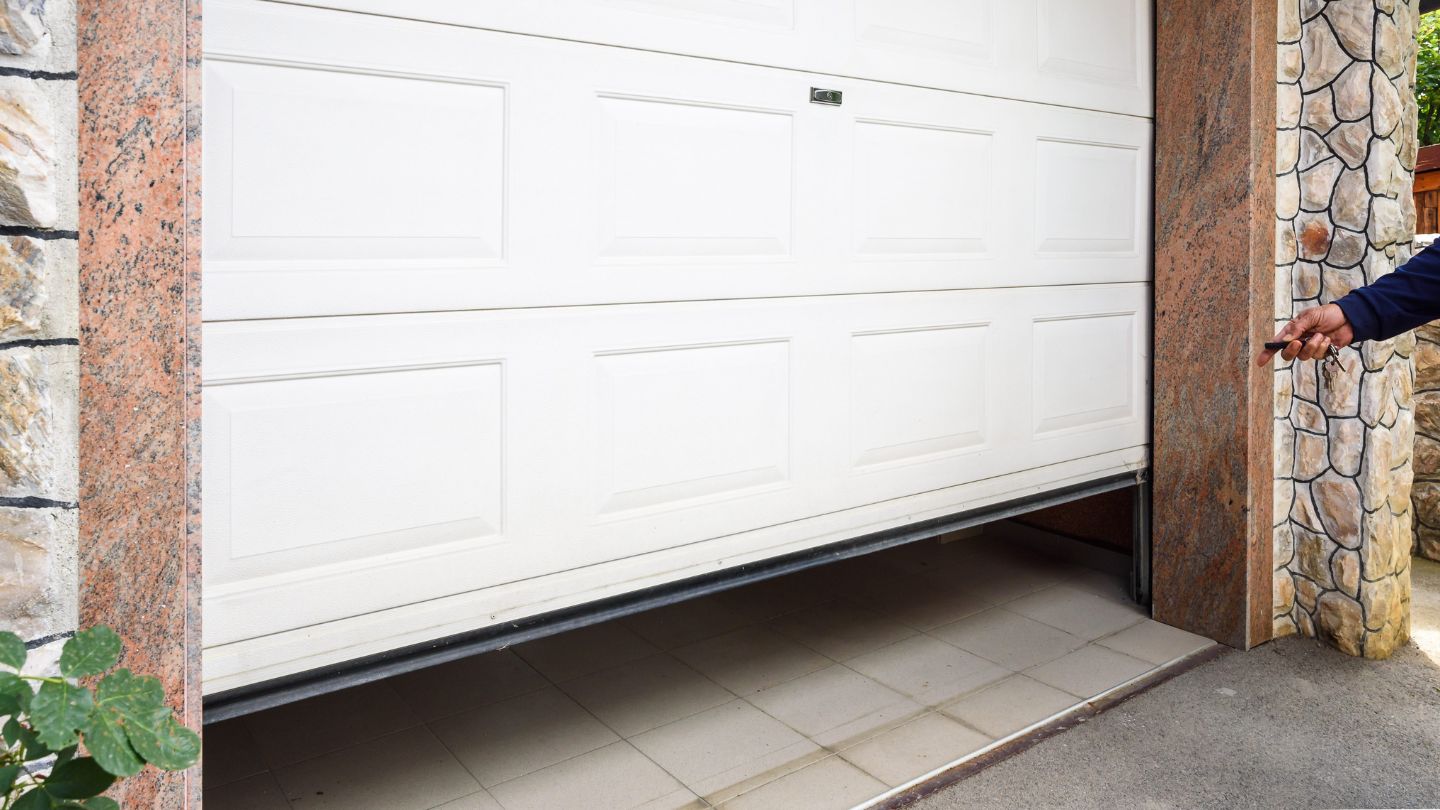
A garage door system relies on clear tracks and balanced mechanical components to close properly. When something interferes with either, the opener senses resistance and reverses.
Common debris in tracks includes dirt, small stones, and objects that block garage door rollers. A garden hose draped across the threshold, boxes stacked near the door's travel path, or snow and ice buildup at the ground seal all count as physical obstructions that can block garage door tracks. The first step is always visual: look along the full length of both tracks and across the garage floor beneath the door.
Bends or dents in tracks can disrupt garage door operation. A visible dent causes the door to stall at the same point each closing cycle. Misaligned tracks can prevent the garage door from closing entirely, and forcing it risks further damage to rollers, cables, and the opener motor. Misaligned tracks require professional repair to avoid damage; hammering a track without proper tools often worsens the misalignment.
Broken or worn springs and cables can cause a garage door to operate heavy or jerkily. Torsion springs and extension springs provide the counterbalance force that offsets the door's weight, so the opener motor does not have to lift or lower the full load. A snapped spring leaves the door too heavy for the opener to control. Frayed cables can slip off their drums, producing uneven tension. Both conditions trigger warning signs: visible gaps in torsion springs, loose cables hanging alongside the door, or grinding and jerking during travel. When an opener repeatedly struggles with a heavy or difficult-to-operate door, homeowners replacing the unit may also want to consider how to know which size garage door opener you need for the door's specific requirements.
Some closing problems can be identified with a basic visual inspection, but others require professional attention. Do not attempt to repair broken springs or cables yourself, as these components are under significant tension and can cause serious injury. Bent tracks, damaged wiring, persistent sensor problems, and opener faults should also be evaluated by a qualified technician rather than repaired without the proper training and equipment.
If your garage door continues to malfunction after basic troubleshooting, professional diagnosis can identify the underlying problem and help prevent additional damage to the door or opener.
Read More: Common Garage Door Repairs: What You Need to Know
When the mechanical side checks out, the issue lies in the electrical system or the opener's internal settings.
Start with power. The garage door opener needs power to function properly. A tripped breaker, an unplugged unit, or a power surge can all cut the circuit. Check the outlet serving the opener and reset the breaker if needed. After power outages, some openers require a manual restart cycle before responding to commands. Disconnected power or a lost remote signal can hinder garage door operation; dead batteries in the remote can prevent door operation entirely. Swap the batteries first before assuming the remote is faulty, though a faulty remote may require replacement to operate the door.
Many openers include a "lock" or "vacation" mode activated from the wall panel. When engaged, remotes and keypads are disabled, but the wall button still functions. If your remote won't close the door while the wall switch does, check for a lock indicator on the wall control panel. This is bypass mode, and disabling it restores normal remote operation.
Garage door limit settings control how far the door travels. The "close limit" tells the motor when to stop on its downward travel. If set too short, the door reverses before reaching the ground because the opener interprets the remaining distance as obstruction. If set too far, the motor drives the door into the floor, triggering the force-limit reversal. Incorrect limit settings can cause doors to reverse unexpectedly. The adjustment screws are on the opener unit itself; limit screws are labeled "up" and "down" on openers. Incorrect travel limits can cause a garage door to stop too early, press against the floor, or reverse unexpectedly. Because opener settings vary by model, consult the manufacturer's instructions or contact a qualified garage door technician if the limits appear to be incorrectly calibrated. If the opener is struggling to handle the door consistently, it may also be worth reviewing how to know which size garage door opener you need before replacing the unit.
The emergency release cord (the rope hanging from the opener trolley) disconnects the door from the trolley latch. If accidentally activated, the opener motor runs but the door won't move. To re-engage: pull the manual release cord toward the opener to snap the trolley latch back into position, then cycle the opener. This lets you manually close or open the door during outages, but it also means the opener cannot control travel until reconnected.
Wiring problems produce intermittent or total sensor failures even when lenses are clean, and sensors look fine. The low-voltage wires running from sensors to the opener are thin and vulnerable to rodent damage, moisture, and pinching from staples. If cleaning and realignment don't restore function, inspect the wiring runs for visible breaks, corrosion, or bare spots.
Persistent wiring faults or a failed logic board on the opener require professional diagnosis; opener light flashing in a specific count pattern often corresponds to a particular circuit fault described in the owner's manual. If electrical or opener problems continue despite professional diagnosis, recognizing the top signs that tell you when to replace your garage door opener can help determine whether replacement is more appropriate than continued repairs.
Read More: The Importance of Professional Garage Door Inspections for Longevity
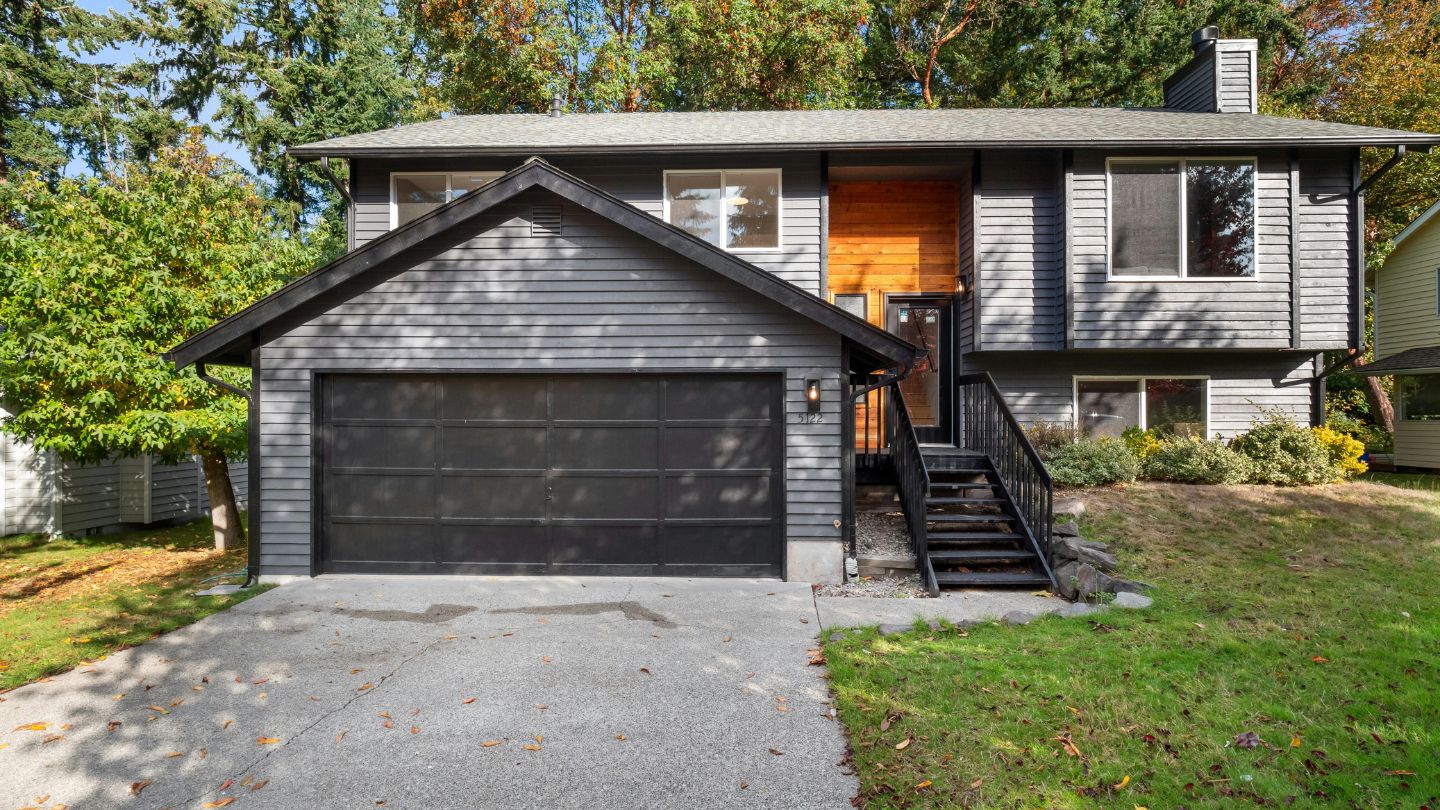
A garage door that refuses to close can stem from something as simple as a blocked sensor or track obstruction, but it can also point to problems with springs, cables, wiring, or the opener itself. Basic checks can help identify minor issues, while more complicated or potentially hazardous problems are best left to a qualified professional.
When you need help beyond basic troubleshooting, Columbus Door Sales is here to assist with reliable garage door solutions. Our services include commercial garage door services and residential garage door services, along with options for garage door openers and accessories, and entry and patio doors. If you're looking for a dependable garage door repair service in Dublin, contact us to discuss the problem and find the right solution for your door.
The most common causes are misaligned sensors, incorrect limit settings, or a wiring fault in the sensor circuit. Even if the path looks clear, the opener's safety system may detect a problem you can't see. Cleaning the sensor lenses and checking for flashing lights is the best starting point. Adjusting limit settings can also resolve closing issues when sensors check out fine.
Check the LED indicator lights on both sensor units. A blinking or dark receiver light signals misalignment or obstruction. If the door starts to close, then reverses immediately, and the opener light flashes a set number of times, the sensor circuit is the likely cause. Dusty sensors can prevent the garage door from closing, so clean both lenses and recheck.
In some situations, a garage door can be operated manually after the opener is disconnected using the emergency release. However, do not attempt this if the door is unusually heavy, appears damaged, or has broken or damaged springs or cables. If you are unsure whether the door can be operated safely, contact a professional garage door technician for assistance.
This behavior points to the safety sensors or the force/limit settings. First, inspect and clean the photo eyes. Check that both are properly aligned with steady indicator lights. If sensors are fine, the close limit or down-force setting may need adjustment. Adjust limit screws in small increments and test after each turn. If the door continues to reverse, a professional technician should inspect the system.
Call for professional help when you see broken torsion springs or extension springs, frayed or loose cables, bent tracks, or persistent electrical faults after basic troubleshooting. These components operate under high tension or require precise calibration. Attempting repairs without training risks injury and further damage to the garage door system.
Manufacturers generally recommend annual professional inspections for residential doors. During a service visit, a technician tests sensor alignment, inspects springs and cables for wear, lubricates moving parts, and verifies that limit and force settings are calibrated correctly. Homes in Central Ohio benefit from pre-winter checks, since cold weather stiffens hardware and ice buildup can block tracks and sensor lenses. Regular care can also help preserve the door's appearance and condition, so homeowners can follow essential maintenance tips for keeping their garage door looking great between professional service visits.
.jpg)


