
Contact Columbus Door Sales Today!
Thank you! Your submission has been received!
Oops! Something went wrong while submitting the form.
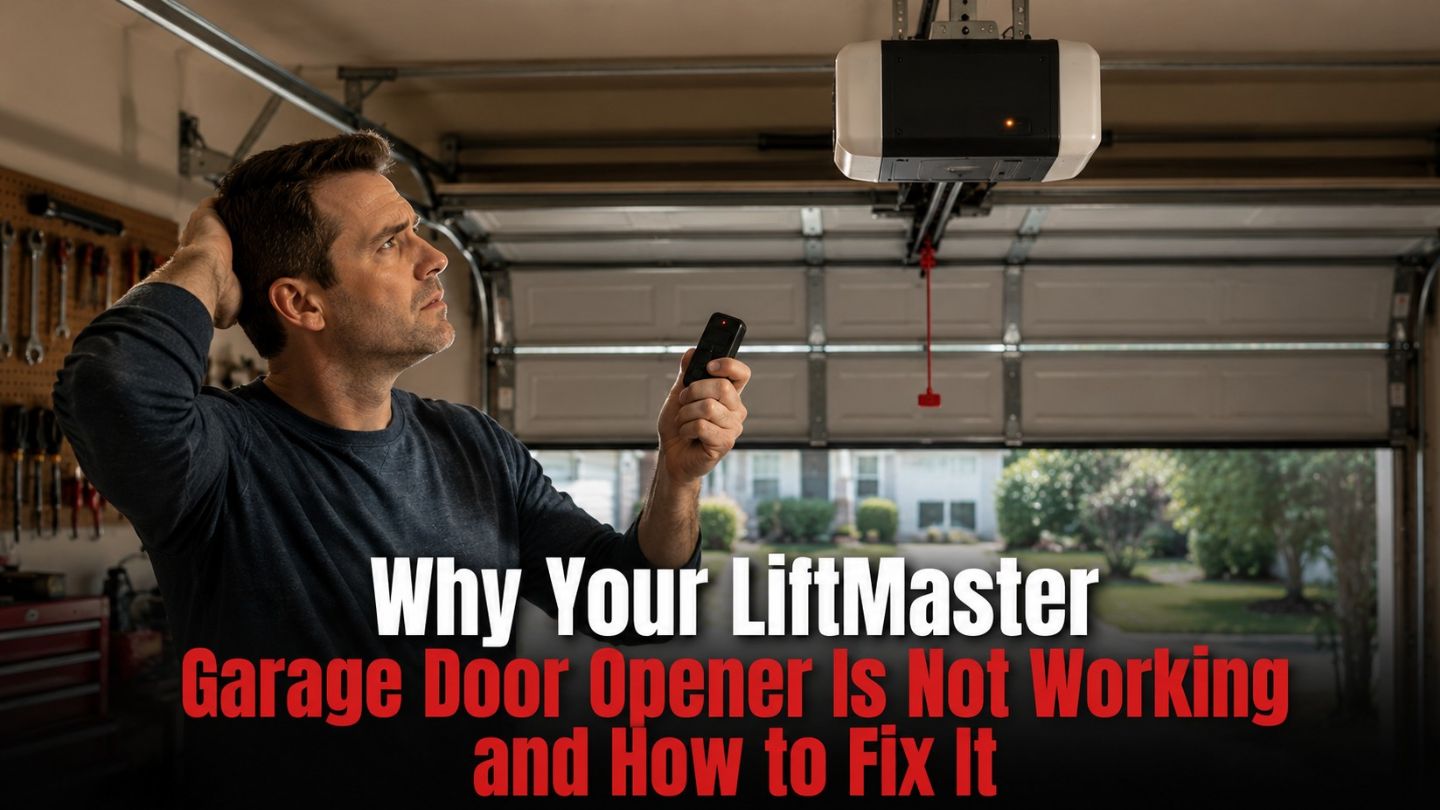
Your LiftMaster garage door opener worked perfectly yesterday, but this morning it refuses to budge - and you're already running late. Few household malfunctions are as immediately frustrating as a garage door that won't open or close when you need it most. Whether the opener hums without moving the door, the remote seems completely dead, or the door reverses the moment it starts closing, the root cause usually falls into a handful of diagnosable categories.
LiftMaster garage door opener troubleshooting follows a logical, systematic path: start with the simplest possibilities - power and remote control - then move into mechanical components and safety features, and finally consider advanced electronic faults. Most homeowners can resolve the easier issues themselves, while some problems demand professional attention for safety reasons.
This guide walks you through every common failure point, explains what each symptom means, and tells you exactly when a fix is within your reach and when it's time to call in an expert. At Columbus Door Sales, we've served Central Ohio as the area's trusted garage door specialists, and we've built this resource from the real-world problems we diagnose every day.
When your LiftMaster garage door opener shows no sign of life - no lights, no hum, no response - the problem is almost always related to the power source. Power supply problems can lead to garage door opener malfunctions, so begin here before investigating anything else.
Check if the opener is plugged in and working. Confirm the power cord is fully seated in the outlet. Test the outlet itself with another device, like a phone charger, to verify it's live. A tripped circuit breaker can lead to a non-responsive garage door opener, so check your electrical panel for any breaker in the tripped position and reset it if needed. If your garage has a GFCI outlet, press the reset button and test again. For areas prone to power surges, connecting the opener to a surge protector can help prevent damage to the logic board from electrical spikes.
Next, isolate whether the problem is with the opener itself or with your control devices. Testing the wall control and remote separately is a key troubleshooting step. Press the wall control button - if the door responds to the wall control but ignores the remote, the opener motor and drive system are fine, and the issue lies with the remote or its signal path. If neither the wall control nor the remote triggers any response, the problem is likely at the opener unit or its power supply.
Also, test garage door manual operation. Pull the emergency release cord (the red cord hanging from the trolley rail) to disconnect the door from the opener carriage. Try raising the door by hand. If the door lifts smoothly and holds its position when partially open, your mechanical system is in good shape, and the issue is electrical. If the door feels extremely heavy or won't stay open, you likely have a spring or balance problem rather than an opener malfunction. Inspect the emergency release cord for proper engagement - when you're done testing, re-engage the trolley by pulling the cord toward the opener until the carriage reconnects.
Remote controls can become unresponsive due to depleted batteries or programming issues. Common garage door opener problems include lack of power and dead remote batteries, so always start by swapping in fresh batteries. Test the remote at various distances from the opener - if it works only when you're standing directly beneath the motor unit, signal strength is the issue rather than programming.
If the remote stops working after a power outage or loses its programming, follow the proper procedure for programming your LiftMaster garage door opener step by step. Power surges and outages can wipe the opener's memory, clearing all stored remote codes. Use the Learn button on your opener (located near the antenna or on the back panel) to re-pair the remote: press and release the Learn button, then press and hold the remote button within thirty seconds until the opener light flashes, confirming successful programming. Note that holding the Learn button too long can erase all stored remotes and keypad codes rather than entering pairing mode - a quick press-and-release is the correct method.
If your remote still won't program, check whether the opener's lock feature is engaged. Some LiftMaster models include a security lock mode activated from the wall control that disables all remotes while leaving the wall control functional. If you've accidentally enabled this, pressing and holding the lock button on the wall control for a few seconds will restore remote operation.
Signal interference is another common issue. LED light bulbs installed in the opener or nearby fixtures can emit radio frequency interference that disrupts remote signals. Switch to bulbs specifically rated as compatible with garage door openers. Also visually inspect the antenna wire hanging from the motor unit - it should dangle straight down, unobstructed. A bent, coiled, or disconnected antenna dramatically reduces reception range. Because the garage can serve as an important access point to your home, keeping the opener and door operating reliably can also support overall security, as explained in this guide to the role of garage doors and openers in home security systems.
Read More: Important Garage Door Safety Tips You Need to Know
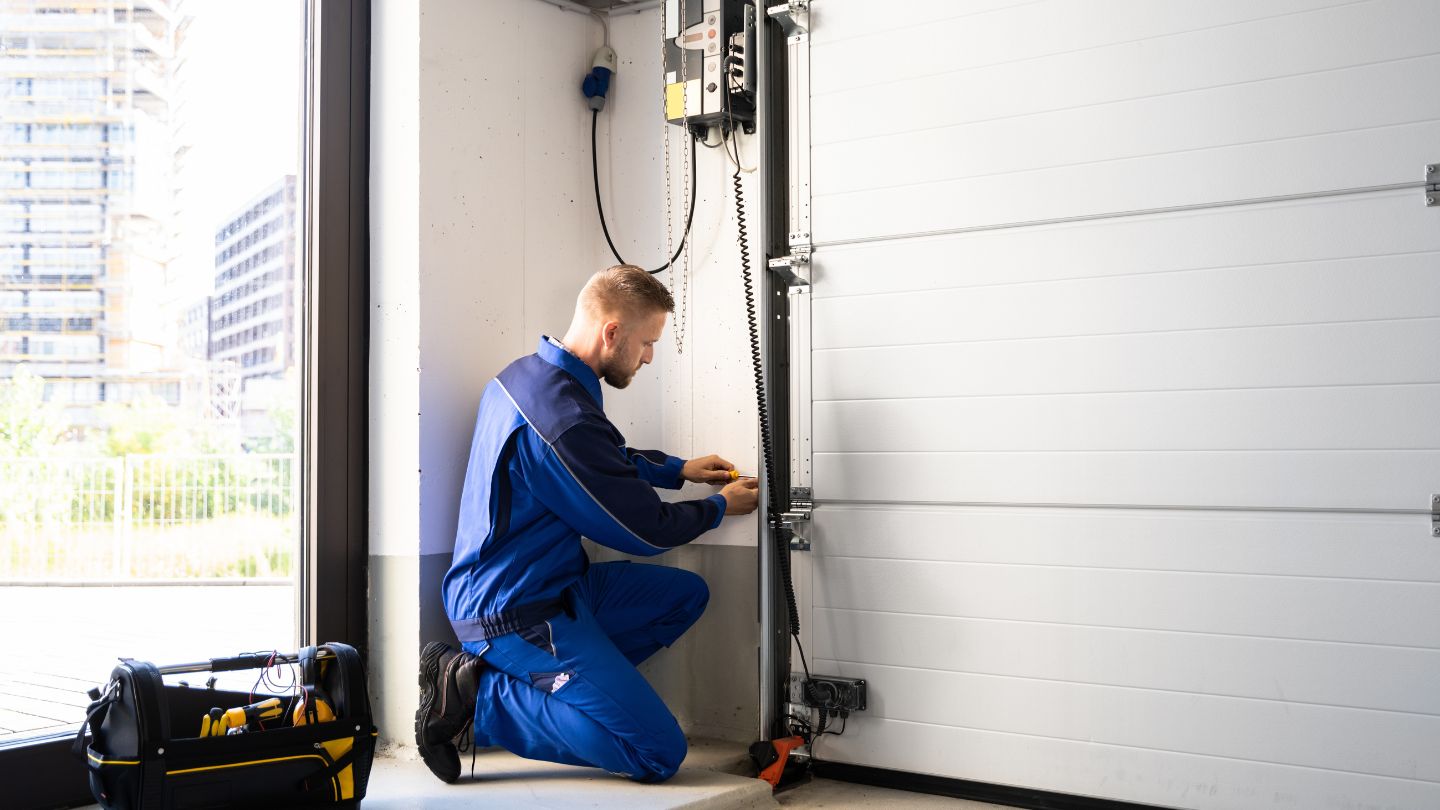
When power and remotes check out fine, but the door still won't operate correctly, the problem usually lies in the mechanical system or the safety features that protect it.
Inspect the garage door tracks for debris, dents, bends, or other obstructions. Small objects such as toys, loose hardware, or accumulated dirt can interfere with smooth movement. With the door disconnected from the opener, check that the rollers move freely and that the tracks and hardware are not creating excessive resistance. Run your hand along both tracks (with the door disconnected from the opener) and feel for dents, bends, or buildup. Rollers should spin freely; worn rollers with cracked nylon or flat spots create binding that forces the opener to work harder than it should. Loose hinges and brackets can allow sections to shift, creating drag. Garage doors should open and close smoothly without excessive weight or sticking - if they don't, address the hardware before blaming the opener.
Check the safety sensors before adjusting other settings. The sensors are positioned near the bottom of the garage door opening and must have a clear, properly aligned path between them. Check that both indicator lights are steady and that the lenses are free from dust, cobwebs, or other buildup. If a sensor light is blinking, carefully check for an obstruction or alignment issue. If the sensors appear properly aligned but the opener still refuses to close, the problem may require further diagnosis.
Check the opener's travel settings if the door stops at the wrong position. If the door stops before reaching the floor, reverses near the end of its cycle, or travels farther than intended, its programmed travel limits may need attention. Because adjustment procedures vary by LiftMaster model, follow the instructions in the appropriate owner's manual rather than changing settings by trial and error.
Check for signs of a broken spring or cable problem. If you hear a loud bang and the door suddenly becomes extremely heavy or difficult to lift, a broken spring may be responsible. You may be able to identify a visible gap in a torsion spring above the door, while frayed or slack cables can indicate a separate hardware problem. Because springs and cables can be under significant tension, do not attempt to adjust, remove, or repair them yourself. A professional inspection can determine whether the door needs spring or cable repair.
Following a consistent maintenance routine can help identify worn components before they lead to unexpected problems, and these essential garage door maintenance tips can help keep the system operating smoothly.
Read More: Common Garage Door Issues and How to Find Them
Use the opener's diagnostic indicators for persistent problems. Many LiftMaster openers use LED flash patterns to help identify problems involving safety sensors, wiring, force, and other components. The exact diagnostic sequence varies by model, so record the displayed pattern and compare it with the instructions for your specific opener. If the diagnostic information points to an internal component, wiring problem, or excessive operating force, professional service may be necessary.
If the opener hums without moving the door, stop operating it repeatedly. A humming motor with no door movement can result from a mechanical obstruction, a disconnected trolley, an unbalanced door, or an internal opener component problem. Disconnecting the opener and checking whether the door can be moved safely by hand can help distinguish a door-balance problem from an opener issue. If the door is unusually heavy or the opener continues to hum without moving it, professional diagnosis is recommended. If the opener continues to experience recurring problems or requires frequent repairs, knowing the signs that it may be time to replace your garage door opener can help you determine whether repair or replacement is the better option.
Cold weather can cause metal components to contract and malfunction. In Central Ohio, winter temperatures affect garage door systems in multiple ways: lubricants thicken and increase resistance, springs lose flexibility, belts become brittle, and capacitors struggle with cold starts. Ice and snow can also block tracks or coat sensor lenses. Performing a pre-winter inspection - checking spring condition, lubricating all moving parts, clearing sensor paths, and testing the system under load - can prevent that mid-January morning when the door refuses to open.
Electrical problems beyond simple sensor wiring - such as damaged logic boards after lightning strikes, corroded connections inside wall-mounted conduit, or failed safety circuits - require a certified technician with proper diagnostic equipment. Repeatedly pressing the button when the opener is struggling can overheat the motor, accelerate gear wear, and compound the original problem. Federal regulations require safety features on all residential garage door openers, so any repair work must preserve these protective systems rather than bypass them.
Read More: The Importance of Professional Garage Door Inspections for Longevity
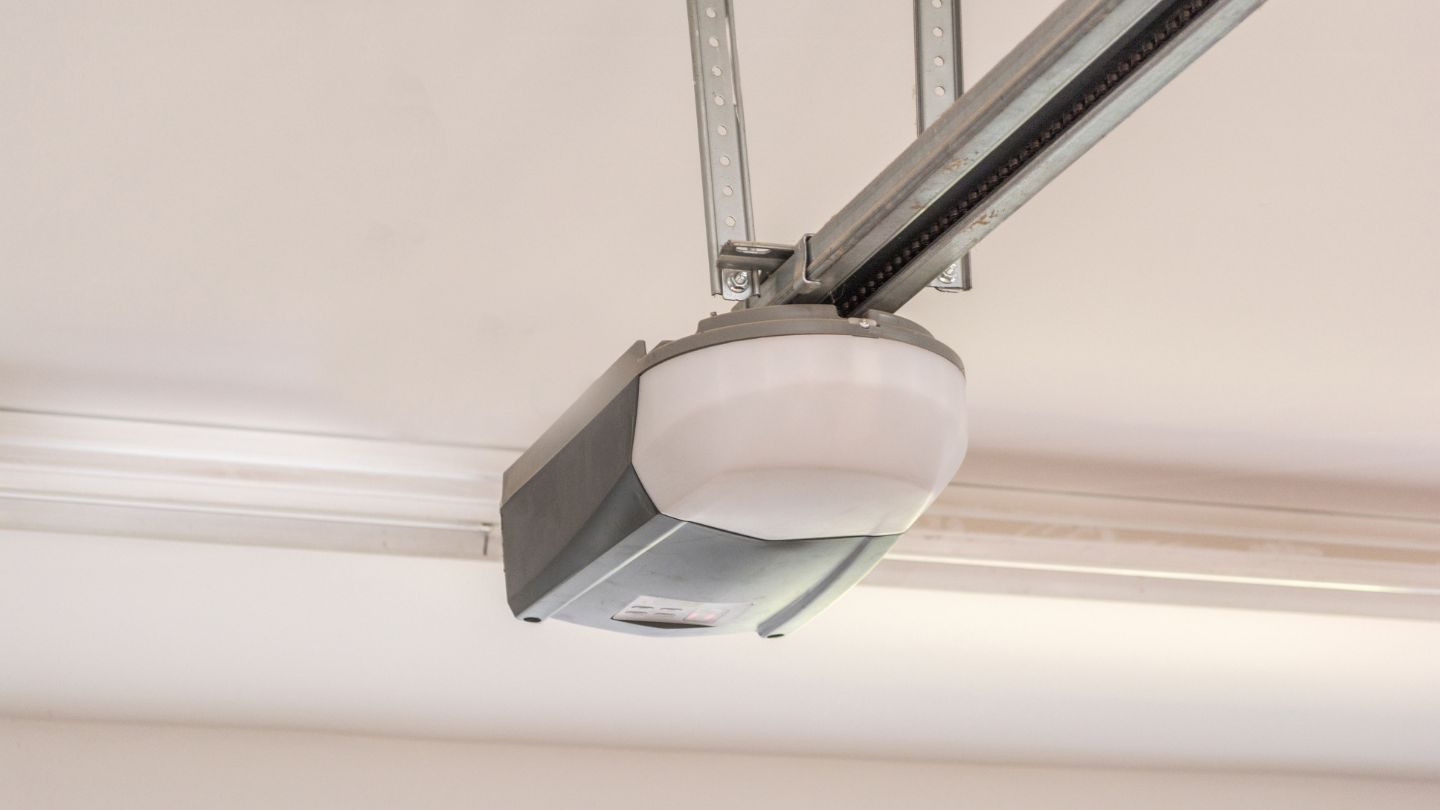
When a LiftMaster garage door opener stops working, starting with the basics can often reveal whether the problem is related to power, the remote, safety sensors, travel settings, or the door's mechanical components. Simple issues may be manageable with basic troubleshooting, while broken springs, damaged cables, and internal opener problems require professional attention. Regular inspections and maintenance can also help catch wear before it develops into a more disruptive garage door failure.
At Columbus Door Sales, we help homeowners and businesses keep their garage door systems operating reliably with solutions for both commercial garage doors and service needs and residential garage doors and services. Our selection also includes garage door openers and accessories for residential applications, as well as residential entry and patio doors for other access points around your property. If you need dependable garage door service in Dublin, our team is available to help diagnose the problem and recommend the right solution. Contact us for professional assistance when a garage door or opener issue goes beyond basic troubleshooting.
A humming opener that does not move the door can indicate a disconnected trolley, a door that is difficult to move because of a mechanical problem, or an internal opener issue. Stop repeatedly activating the opener, disconnect it, and check whether the door can be moved safely by hand. If the door is unusually heavy or the opener continues to hum, professional diagnosis is recommended.
Blinking indicator lights can provide diagnostic information about problems such as safety sensors, wiring, force, or other opener components. Because diagnostic patterns vary by LiftMaster model, check the code against the owner's manual for your specific unit. If the problem cannot be identified or corrected through basic troubleshooting, professional service may be needed.
Test the garage door's safety and reverse functions regularly according to the manufacturer's recommendations. Make sure the sensor lenses are clean, the sensors are aligned, and nothing is blocking the beam. If the sensors continue to malfunction after basic cleaning and alignment checks, have the system inspected by a professional.
A garage door that reverses while closing may have a safety-sensor obstruction or alignment problem, an issue with its travel settings, or another mechanical or opener-related fault. Check that the sensor lenses are clean and that nothing is blocking the sensor path. If the problem continues, professional diagnosis can help identify the underlying cause.
When should I replace my LiftMaster garage door opener instead of repairing it?
Replacement may make more sense when an opener has recurring failures, obsolete or unavailable parts, or significant internal damage. The age and condition of the unit, repair cost, available replacement parts, and desired features should all be considered before deciding between repair and replacement. The age of the unit is another factor to consider, so understanding how long garage door openers typically last can provide useful context when deciding between repair and replacement.
Before winter, inspect the garage door for signs of wear, make sure the tracks and sensor areas are clear, and follow the manufacturer's lubrication and maintenance recommendations. If the door feels unusually heavy, makes new noises, or operates unevenly, have it inspected before colder weather creates additional strain on the system.
.jpg)


